Scientists discover fossils of ancient sea cow species near Qatar
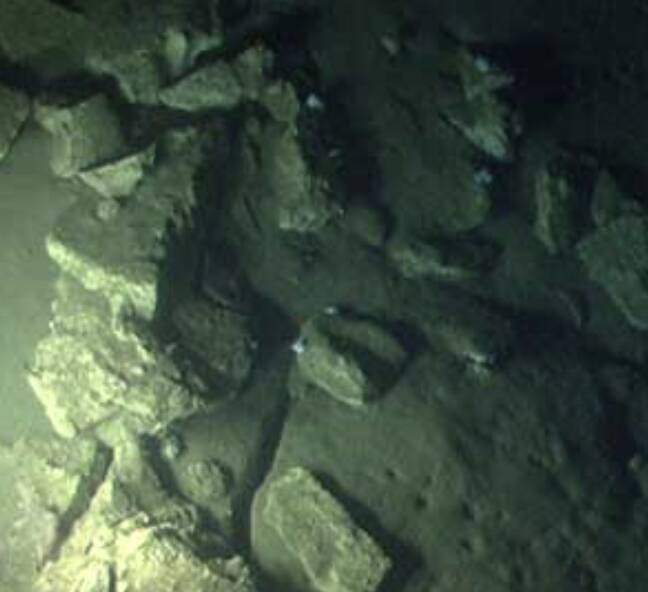
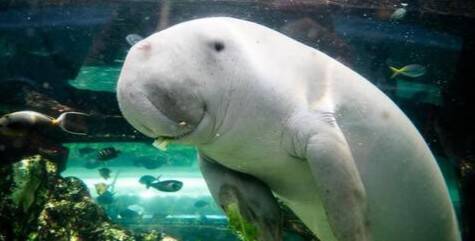
In a groundbreaking discovery, scientists have unearthed fossils of an unknown species of sea cow near the coastal waters of Qatar. According to a report by Moneycontrol, the ancient animal lived millions of years ago in warm seas, and its body structure bears a striking resemblance to that of modern sea cows. This remarkable find not only sheds light on the evolution of sea cows but also confirms the existence of seagrass ecosystems in the Arabian waters for millions of years, which supported large marine herbivores.
The discovery of the ancient sea cow species is a significant one, as it provides valuable insights into the history of marine life in the region. The fossils, which were found in the coastal waters of Qatar, are believed to be from a previously unknown species of sea cow that lived during the Miocene epoch, around 20 million years ago. The Miocene epoch was a time of great change in the Earth’s climate, with the formation of the Arabian Peninsula and the creation of the Persian Gulf.
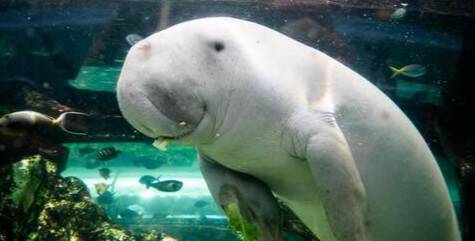
The ancient sea cow, which has been identified as a member of the family Dugongidae, was a large marine mammal that fed on seagrass and other marine vegetation. Its body structure, which includes a distinctive pair of flippers and a flat, paddle-like tail, is similar to that of modern sea cows, such as the dugong and the manatee. However, the ancient sea cow was slightly smaller than its modern counterparts, with estimates suggesting that it was around 2-3 meters in length.
The discovery of the ancient sea cow fossils is not only significant because of its age and rarity but also because of what it reveals about the marine ecosystem of the Arabian waters. The presence of seagrass ecosystems in the region, which supported large marine herbivores like the ancient sea cow, suggests that the waters were once much warmer and more hospitable to marine life. This is in contrast to the current state of the Arabian waters, which are characterized by high salinity and limited marine vegetation.
The discovery of the ancient sea cow species also highlights the importance of preserving and protecting marine ecosystems. Seagrass beds, which are found in shallow, coastal waters, are a crucial component of marine ecosystems, providing habitat and food for a wide range of marine species. However, these ecosystems are under threat due to human activities such as coastal development, pollution, and overfishing. The loss of seagrass beds could have significant consequences for marine biodiversity, including the decline of species like the dugong and the manatee.
The discovery of the ancient sea cow fossils is a reminder of the rich and diverse history of marine life on our planet. It highlights the importance of continued scientific research and exploration, particularly in regions like the Arabian waters, which are still relatively underexplored. By studying the fossils of ancient species like the sea cow, scientists can gain a better understanding of the evolution of marine ecosystems and the impact of human activities on these ecosystems.
In conclusion, the discovery of the ancient sea cow species near Qatar is a significant one, providing valuable insights into the history of marine life in the region. The presence of seagrass ecosystems in the Arabian waters, which supported large marine herbivores like the ancient sea cow, highlights the importance of preserving and protecting these ecosystems. As we continue to explore and learn more about the natural world, we are reminded of the importance of conservation and the need to protect our planet’s precious biodiversity.
The discovery of the ancient sea cow species is a testament to the power of scientific research and exploration. By continuing to explore and study the natural world, we can gain a deeper understanding of the complex and interconnected systems that support life on Earth. As we move forward, it is essential that we prioritize conservation and sustainability, working to protect and preserve the delicate balance of our planet’s ecosystems.
The ancient sea cow species may be extinct, but its legacy lives on, providing a window into the past and a reminder of the importance of preserving our planet’s natural heritage. As we continue to explore and learn more about the natural world, we are reminded of the awe-inspiring beauty and complexity of the Earth’s ecosystems. By working together to protect and preserve these ecosystems, we can ensure a healthy and sustainable future for our planet.
About the Author