Russia doesn’t have capability to conquer Ukraine: Tulsi Gabbard
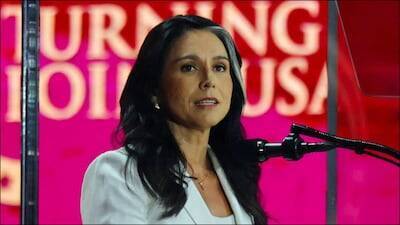
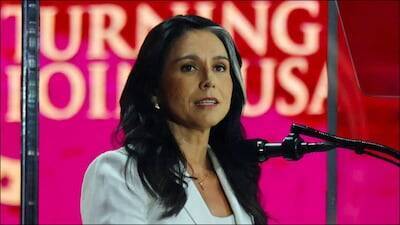
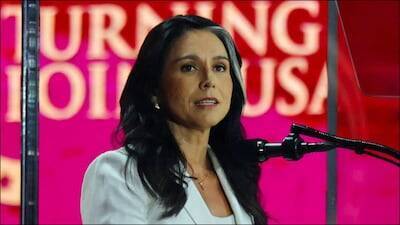
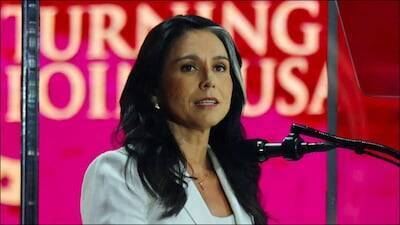
The ongoing conflict between Russia and Ukraine has been a topic of discussion globally, with many speculating about the potential consequences of the war. Recently, US Director of National Intelligence Tulsi Gabbard made a statement that has sparked a lot of debate. On Sunday, she dismissed claims that Russia could invade Europe, stating that the country does not even have the capability to conquer and occupy Ukraine, let alone invade and occupy Europe.
Gabbard’s statement is significant, as it comes from a high-ranking official in the US intelligence community. Her assessment of Russia’s military capabilities is based on the latest intelligence reports, which suggest that the country’s military is not strong enough to launch a successful invasion of Ukraine, let alone the entire European continent. This is a stark contrast to the claims made by some experts and media outlets, who have been warning of an imminent Russian invasion of Europe.
Gabbard’s comments were likely aimed at countering the narrative that has been promoted by some in the media and the “deep state” that Russia is a significant threat to European security. She accused “deep state warmongers” and their “propaganda media” of exaggerating the threats posed by Russia in order to derail the peace efforts led by the Trump administration. This is not the first time that Gabbard has spoken out against the warmongering rhetoric, and her comments are likely to be seen as a attempt to promote a more nuanced understanding of the conflict.
The idea that Russia is planning to invade Europe is a notion that has been widely debunked by experts. While Russia has certainly taken an aggressive stance towards Ukraine, its military capabilities are not strong enough to support a large-scale invasion of Europe. The Russian military has been modernizing in recent years, but it still lags behind the military capabilities of the US and its NATO allies.
Furthermore, the economic costs of a large-scale invasion would be prohibitively expensive for Russia. The country is already struggling under the weight of economic sanctions, and a costly war would only exacerbate its economic woes. It is unlikely that Russia would be willing to take on such a significant economic burden, especially given the uncertain outcome of such a conflict.
Gabbard’s comments are also significant because they highlight the role of the “deep state” in shaping the narrative around the conflict. The term “deep state” refers to the network of bureaucrats, politicians, and intelligence officials who wield significant influence over the policy-making process. In the context of the Russia-Ukraine conflict, the “deep state” has been accused of promoting a hawkish agenda that prioritizes military intervention over diplomacy.
The “deep state” has been accused of using propaganda and disinformation to shape public opinion and influence policy decisions. This can include exaggerating the threats posed by Russia, or downplaying the risks of military intervention. By promoting a more nuanced understanding of the conflict, Gabbard is attempting to counter the influence of the “deep state” and promote a more peaceful resolution to the conflict.
The role of the media in shaping the narrative around the conflict is also significant. The media has a significant influence over public opinion, and can play a major role in shaping the policy debate. However, the media has often been accused of promoting a biased or sensationalized narrative around the conflict. By exaggerating the threats posed by Russia, the media can create a sense of urgency or fear that can be used to justify military intervention.
In contrast, Gabbard’s comments promote a more nuanced understanding of the conflict. By acknowledging the limitations of Russia’s military capabilities, she is attempting to promote a more realistic assessment of the threats posed by the country. This can help to create a more informed public debate, and can promote a more peaceful resolution to the conflict.
In conclusion, Tulsi Gabbard’s comments on Russia’s military capabilities are significant, as they highlight the limitations of the country’s ability to launch a successful invasion of Ukraine or Europe. Her assessment is based on the latest intelligence reports, and is a stark contrast to the claims made by some experts and media outlets. By promoting a more nuanced understanding of the conflict, Gabbard is attempting to counter the influence of the “deep state” and promote a more peaceful resolution to the conflict.
It is essential to approach this conflict with a clear and nuanced understanding of the facts, rather than relying on sensationalized or biased reports. By doing so, we can promote a more informed public debate, and can work towards a more peaceful resolution to the conflict.
About the Author