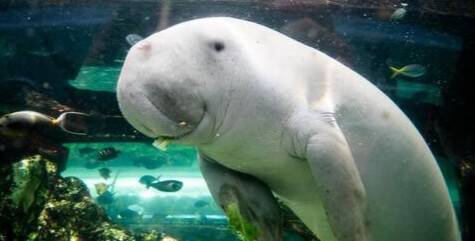
Scientists discover fossils of ancient sea cow species near Qatar
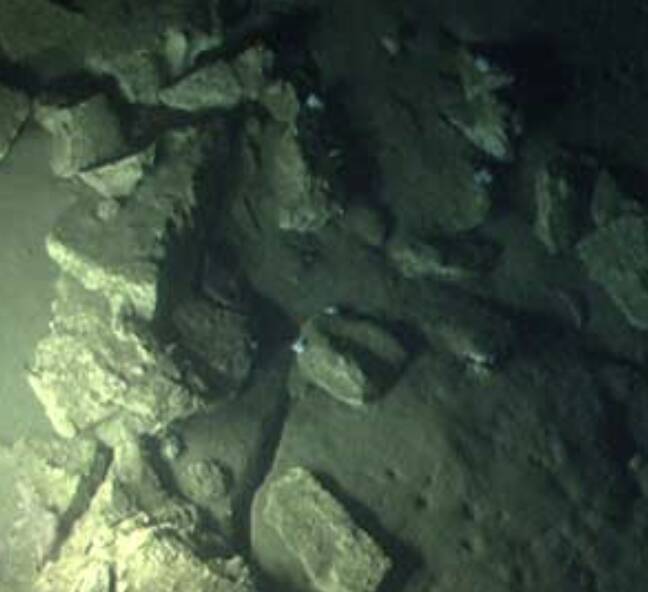
In a groundbreaking discovery, scientists have unearthed fossils of an unknown sea cow species near Qatar’s coastal waters. According to a recent report by Moneycontrol, the ancient sea cow lived millions of years ago in warm seas, and its body structure bears a striking resemblance to modern sea cows. This remarkable finding not only sheds light on the evolution of sea cows but also provides evidence of the existence of seagrass ecosystems in the Arabian waters for millions of years, supporting large marine herbivores.
The discovery of the ancient sea cow fossils has sent ripples of excitement throughout the scientific community, as it confirms that sea cows once inhabited the Arabian waters. The fossils, which are believed to be millions of years old, were found in the coastal waters of Qatar, a country located on the northeastern coast of the Arabian Peninsula. The discovery is significant, as it provides a glimpse into the region’s marine ecosystem of the past and highlights the importance of preserving these ecosystems for future generations.
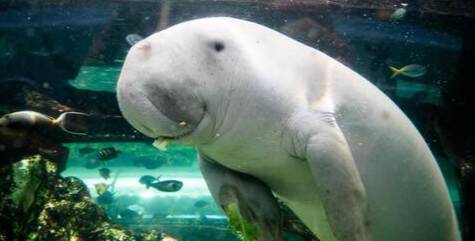
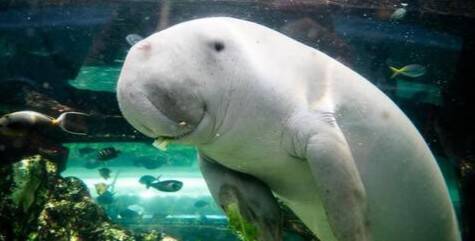
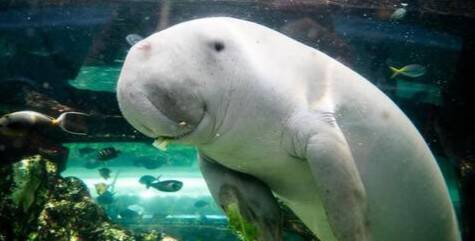
Sea cows, also known as dugongs or Steller’s sea cows, are large marine mammals that inhabit warm and shallow waters. They are known for their distinctive body shape, which resembles a cross between a seal and a manatee. Sea cows are herbivores, feeding on seagrass and other marine plants, and play a crucial role in maintaining the health of seagrass ecosystems. However, due to habitat loss, hunting, and other human activities, sea cow populations have declined significantly over the years, making conservation efforts essential to protect these magnificent creatures.
The discovery of the ancient sea cow fossils near Qatar’s coastal waters is a significant finding, as it suggests that sea cows have been inhabiting the Arabian waters for millions of years. The fossils, which are remarkably well-preserved, provide a wealth of information about the evolution and diversity of sea cows in the region. According to the report, the ancient sea cow species is closely related to modern sea cows, with similar body structures and feeding habits. This suggests that sea cows have remained relatively unchanged over millions of years, adapting to their environments and playing a vital role in maintaining the balance of their ecosystems.
The discovery of the ancient sea cow fossils also provides evidence of the existence of seagrass ecosystems in the Arabian waters for millions of years. Seagrass ecosystems are crucial habitats for many marine species, including sea cows, and play a vital role in maintaining the health of our oceans. However, these ecosystems are under threat due to human activities such as coastal development, pollution, and overfishing. The discovery of the ancient sea cow fossils highlights the importance of preserving seagrass ecosystems and the need for conservation efforts to protect these vital habitats.
The discovery of the ancient sea cow fossils is a testament to the rich biodiversity of the Arabian waters and the importance of preserving our marine ecosystems. The finding is also a reminder of the significant role that science plays in understanding our world and the importance of continued research and exploration. As we continue to learn more about the ancient sea cow species and its habitats, we are reminded of the need to protect our oceans and the creatures that inhabit them.
In conclusion, the discovery of the ancient sea cow fossils near Qatar’s coastal waters is a significant finding that sheds light on the evolution and diversity of sea cows in the region. The discovery confirms that sea cows lived across Arabian waters and that seagrass ecosystems existed for millions of years, supporting large marine herbivores. As we continue to learn more about our oceans and the creatures that inhabit them, we are reminded of the importance of preserving our marine ecosystems and the need for continued conservation efforts to protect these vital habitats.
The discovery of the ancient sea cow fossils is a remarkable finding that highlights the importance of science and research in understanding our world. As we move forward, it is essential that we continue to explore and learn more about our oceans and the creatures that inhabit them. By doing so, we can work towards preserving our marine ecosystems and protecting the incredible biodiversity of our planet.
Read the full story at: https://www.moneycontrol.com/science/lost-sea-cow-species-emerges-from-qatar-s-ancient-seas-article-13735607.html/amp
About the Author