Women are better at recognising illness in faces than men: Study
When it comes to recognising illness in others, it appears that women have an edge over men. A recent study has found that women are more adept at identifying signs of sickness in people’s faces compared to their male counterparts. This fascinating discovery has sparked interesting discussions about the possible reasons behind this difference in ability. In this blog post, we will delve into the details of the study and explore the potential explanations for this phenomenon.
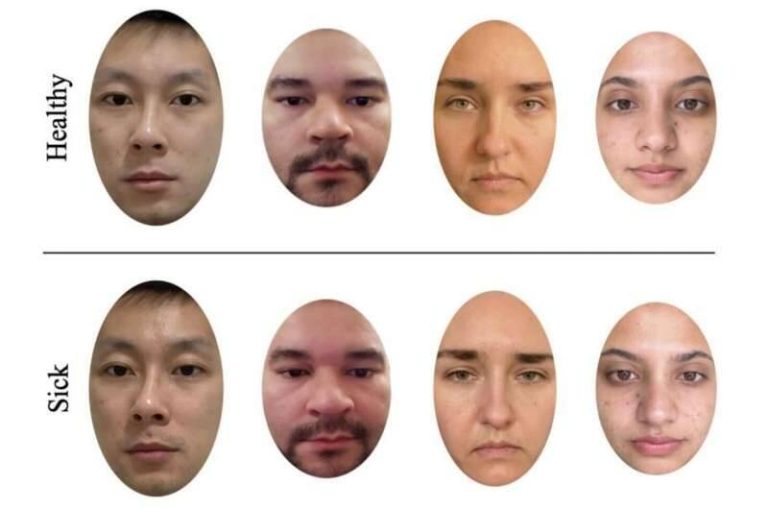
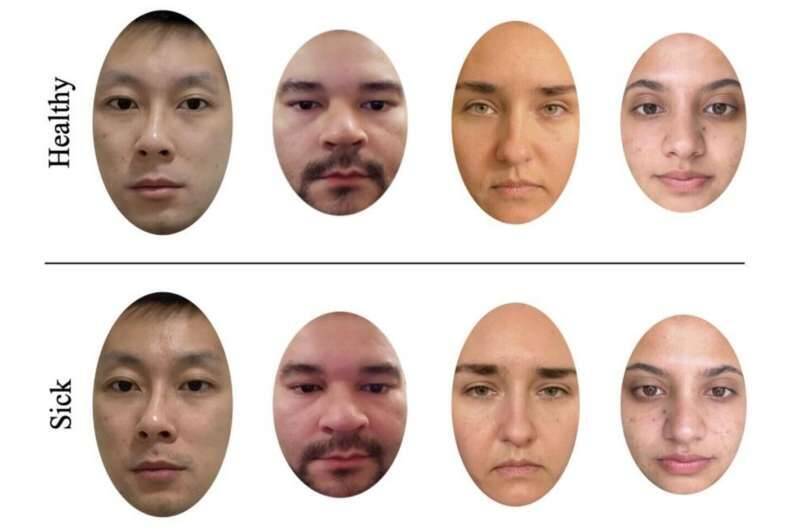
The study in question involved a total of 280 participants, evenly split between males and females. Each participant was shown 24 photos of individuals, with 12 photos depicting people in times of sickness and 12 photos showing the same people in good health. The participants were then asked to rate the photos based on how sick or healthy they perceived the individuals to be. The results showed that women were significantly better at recognising illness in the faces of the sick individuals compared to men.
The researchers behind the study proposed two hypotheses to explain this difference in ability. The first hypothesis suggests that women may have evolved to detect illness better as they have historically taken on more caregiving roles, particularly when it comes to infants. This theory is based on the idea that women have had to develop a keen sense of observation to detect early signs of illness in their children, allowing them to provide timely care and prevent the spread of disease. As a result, women may have developed a more nuanced understanding of the subtle cues that indicate illness, such as changes in skin tone, eye color, and facial expression.
The second hypothesis put forward by the researchers suggests that women may be more empathetic and attentive to the emotional and social cues of others. This increased empathy could allow women to pick up on subtle signs of illness that may not be immediately apparent to men. Additionally, women may be more inclined to engage in social interactions that involve observing and responding to the emotional states of others, further honing their ability to detect illness.
The study’s findings have significant implications for our understanding of the differences in cognitive and social abilities between men and women. While it is essential to note that these differences are not absolute and can vary widely between individuals, the study suggests that women may have an advantage when it comes to recognising illness in others. This could have important consequences for fields such as healthcare, where accurate diagnosis and treatment rely on the ability to detect subtle signs of illness.
The study also highlights the importance of considering the role of evolution in shaping human behavior and cognition. The idea that women may have evolved to detect illness better due to their caregiving roles is a compelling one, and it underscores the complex interplay between biology, culture, and environment in shaping our abilities and behaviors.
In conclusion, the study’s findings that women are better at recognising illness in faces than men are both intriguing and thought-provoking. While the exact reasons behind this difference are still speculative, the proposed hypotheses offer a fascinating glimpse into the possible explanations. As we continue to explore the complexities of human cognition and behavior, it is essential to consider the many factors that influence our abilities and interactions with others.
The full study can be found at https://www.sciencedirect.com/science/article/abs/pii/S1090513825001527, which provides a detailed account of the research methodology, results, and discussion. This study contributes to our growing understanding of the differences in cognitive and social abilities between men and women, and it highlights the importance of considering the complex interplay between biology, culture, and environment in shaping our behaviors and abilities.
News source: https://www.sciencedirect.com/science/article/abs/pii/S1090513825001527
About the Author