Women are better at recognising illness in faces than men: Study
When it comes to recognising illness in others, women seem to have a keen eye for spotting the signs. A recent study has found that women are better at identifying illness in the faces of sick people compared to men. This fascinating discovery has sparked interest in the scientific community, and has led to a deeper exploration of the reasons behind this difference in ability.
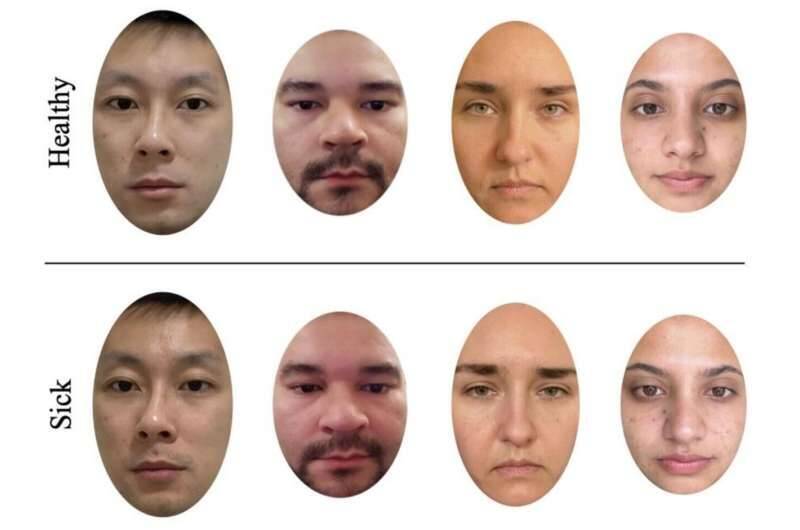
The study, which recruited 140 males and 140 females, asked participants to rate 24 photos of individuals in times of sickness and health. The photos were carefully selected to showcase a range of illnesses, from mild to severe, and the participants were asked to assess the health of each individual based solely on their facial appearance. The results were striking, with women consistently outperforming men in their ability to recognise illness in the faces of others.
But why might women be better at recognising illness than men? The study proposed two hypotheses to explain this difference. Firstly, it suggested that women may have evolved to detect illness better as they have historically taken on more caregiving roles, particularly when it comes to infants and children. This would have given them an adaptive advantage in being able to identify potential health threats and take steps to protect their loved ones. Secondly, the study proposed that women may be more attuned to social and emotional cues, which could help them to pick up on subtle changes in a person’s appearance that might indicate illness.
The idea that women are more empathetic and socially aware than men is a common stereotype, but it is also backed up by a significant body of research. Studies have shown that women tend to be more adept at reading social cues, such as facial expressions and body language, and are more likely to engage in empathetic and nurturing behaviors. This could certainly help to explain why women might be better at recognising illness in others, as they may be more attuned to the subtle changes in appearance and behavior that can indicate poor health.
Another possible explanation for the difference in ability between men and women is the role of hormones. Testosterone, in particular, has been shown to influence spatial awareness and visual processing, which could potentially affect a person’s ability to recognise illness in others. Women, who tend to have lower levels of testosterone than men, may be less influenced by these factors and more able to focus on the subtle cues that indicate illness.
The implications of this study are significant, particularly in the context of healthcare and medicine. If women are indeed better at recognising illness in others, this could have important consequences for the way we approach healthcare and diagnosis. For example, women may be more effective at identifying potential health threats in their loved ones, and could play a key role in encouraging them to seek medical attention. Additionally, the study’s findings could have implications for the way we train medical professionals, with a greater emphasis on developing the skills and abilities that are more commonly associated with women.
In conclusion, the study’s findings are a fascinating insight into the differences between men and women, and highlight the importance of considering the role of sex and gender in our understanding of human behavior and cognition. While the exact reasons behind the difference in ability between men and women are still unclear, the study’s hypotheses provide a useful starting point for further research and exploration. As we continue to learn more about the complex and multifaceted nature of human perception and cognition, we may uncover even more surprising and intriguing differences between the sexes.
The study’s results are a powerful reminder of the importance of considering the social and emotional factors that influence our behavior and interactions with others. By recognising and valuing the unique skills and abilities that women bring to the table, we can work towards creating a more inclusive and effective healthcare system that benefits everyone.
For more information on this study, visit: https://www.sciencedirect.com/science/article/abs/pii/S1090513825001527
In the meantime, it will be interesting to see how these findings are developed and expanded upon in future research. As we continue to explore the complex and fascinating world of human perception and cognition, we may uncover even more surprising and intriguing insights into the differences between men and women.
The study’s findings also have implications for our understanding of the role of women in society, and the ways in which they contribute to the health and wellbeing of their families and communities. By recognising and valuing the unique skills and abilities that women bring to the table, we can work towards creating a more inclusive and equitable society that benefits everyone.
Ultimately, the study’s results are a powerful reminder of the importance of considering the social and emotional factors that influence our behavior and interactions with others. By recognising and valuing the unique skills and abilities that women bring to the table, we can work towards creating a more inclusive and effective healthcare system that benefits everyone.
For more information on this study, visit: https://www.sciencedirect.com/science/article/abs/pii/S1090513825001527
News Source: https://www.sciencedirect.com/science/article/abs/pii/S1090513825001527
About the Author