Women are better at recognising illness in faces than men: Study
The ability to recognize illness in others is a crucial aspect of human interaction, as it allows us to provide care and support to those who need it. While it may seem like a simple task, recognizing illness can be a complex process that involves subtle cues and observations. A recent study has shed light on the differences in how men and women recognize illness in faces, and the results are fascinating. According to the study, women are better at recognizing illness in the faces of sick people compared to men.
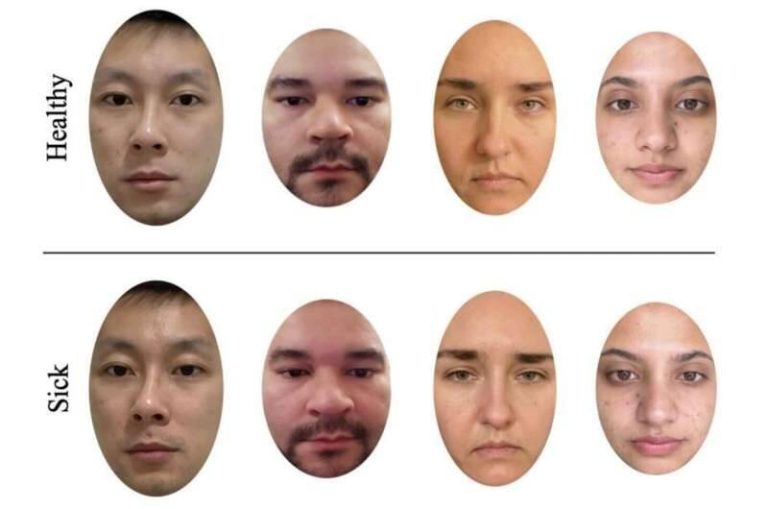
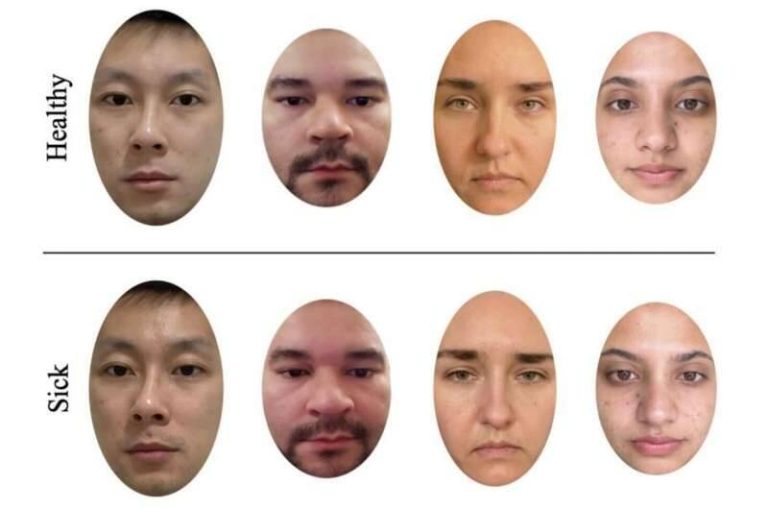
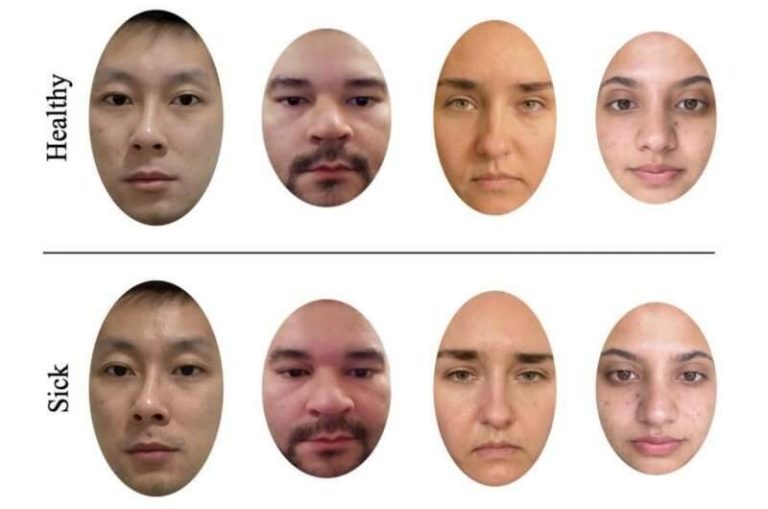
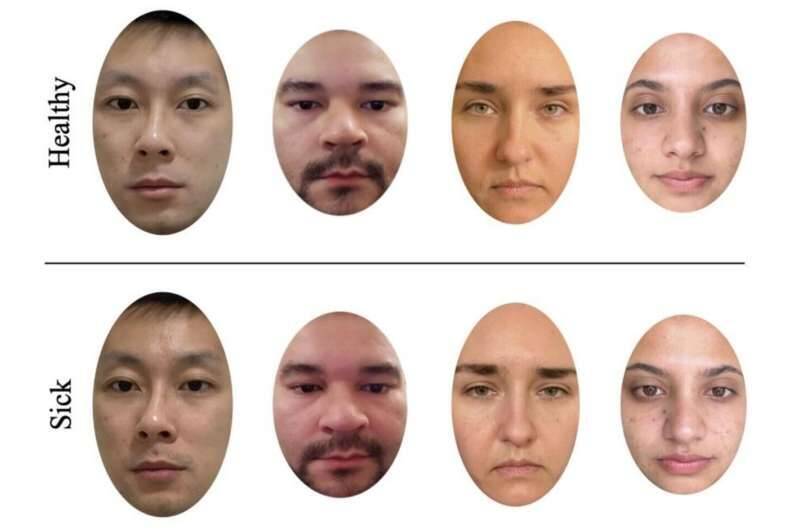
The study, which recruited 140 males and 140 females, asked participants to rate 24 photos of people in times of sickness and health. The photos were carefully selected to capture a range of illnesses, from mild to severe, and the participants were asked to rate the health of each person in the photo. The results showed that women were significantly better at recognizing illness in the faces of sick people, with an average accuracy rate of 80% compared to men’s 70%.
But why are women better at recognizing illness in faces? The study proposed two hypotheses to explain this difference. The first hypothesis suggests that women may have evolved to detect illness better due to their historical role as caregivers. Throughout human history, women have been primarily responsible for caring for infants and children, which requires a high degree of sensitivity to subtle changes in health and behavior. This evolutionary pressure may have selected for women who are better at recognizing illness, as it would have provided a survival advantage for their offspring.
The second hypothesis proposes that women may be more attentive to social cues, which would allow them to pick up on subtle signs of illness more easily. Women are often socialized to be more empathetic and nurturing, which may lead them to pay more attention to the emotional and social cues of others. This increased attention to social cues could provide women with an advantage when it comes to recognizing illness, as they may be more likely to notice subtle changes in a person’s behavior or appearance.
The study’s findings have significant implications for our understanding of human behavior and social interaction. They suggest that women may be more effective caregivers and healthcare providers, as they are better equipped to recognize illness and provide support. This is particularly important in healthcare settings, where accurate diagnosis and treatment rely on the ability to recognize subtle signs of illness.
Furthermore, the study’s findings highlight the importance of considering gender differences in social cognition and behavior. While men and women may be equal in many respects, there are subtle differences in how we process and respond to social information. By recognizing and understanding these differences, we can develop more effective strategies for communication, caregiving, and healthcare.
In conclusion, the study’s findings provide compelling evidence that women are better at recognizing illness in faces than men. The proposed hypotheses offer a fascinating insight into the possible reasons behind this difference, and highlight the importance of considering evolutionary and social factors in our understanding of human behavior. As we continue to explore the complexities of human social cognition, it is essential to consider the role of gender and its impact on our interactions with others.
The full study can be found at the following link: https://www.sciencedirect.com/science/article/abs/pii/S1090513825001527
It is essential to note that this study is just one example of the many fascinating discoveries being made in the field of social cognition and behavior. By continuing to explore and understand the complex factors that influence human behavior, we can develop more effective strategies for improving healthcare, communication, and social interaction.
In the context of healthcare, the study’s findings have significant implications for the diagnosis and treatment of illnesses. If women are indeed better at recognizing illness in faces, it may be beneficial to have more female healthcare providers, particularly in settings where subtle signs of illness need to be detected. Additionally, the study’s findings could inform the development of training programs for healthcare providers, which could focus on teaching men to recognize illness in faces more effectively.
The study’s findings also have implications for our understanding of social cognition and behavior more broadly. They suggest that women may be more attentive to social cues, which could provide them with an advantage in a range of social situations. This increased attention to social cues could also have implications for women’s roles in leadership and decision-making, as they may be better equipped to navigate complex social dynamics.
Overall, the study provides a fascinating insight into the differences between men and women in recognizing illness in faces. The proposed hypotheses offer a compelling explanation for these differences, and highlight the importance of considering evolutionary and social factors in our understanding of human behavior. As we continue to explore the complexities of human social cognition, it is essential to consider the role of gender and its impact on our interactions with others.
News Source: https://www.sciencedirect.com/science/article/abs/pii/S1090513825001527
About the Author