Asia’s Largest Undersea Gold Deposit Discovered
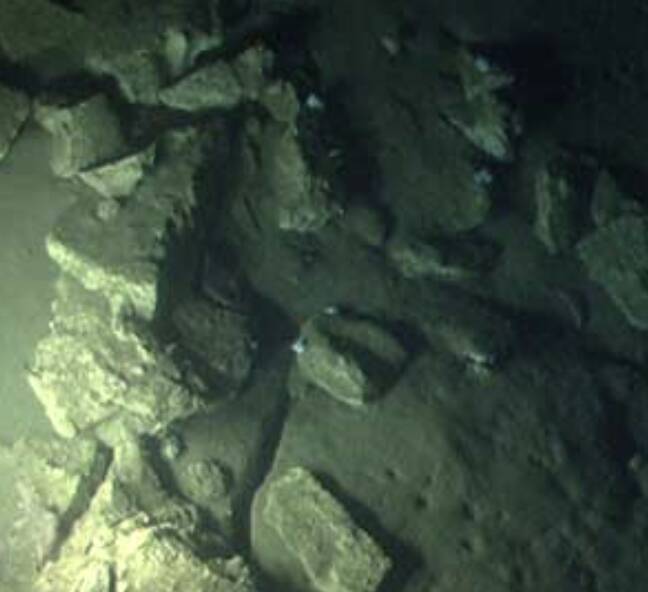
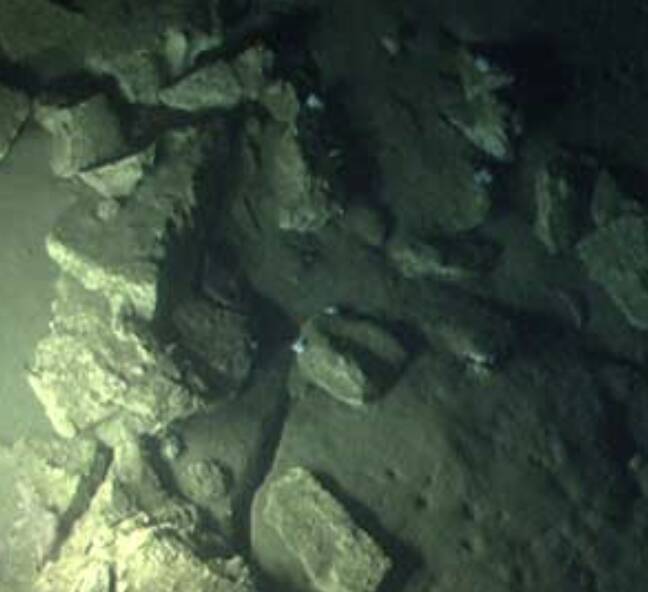
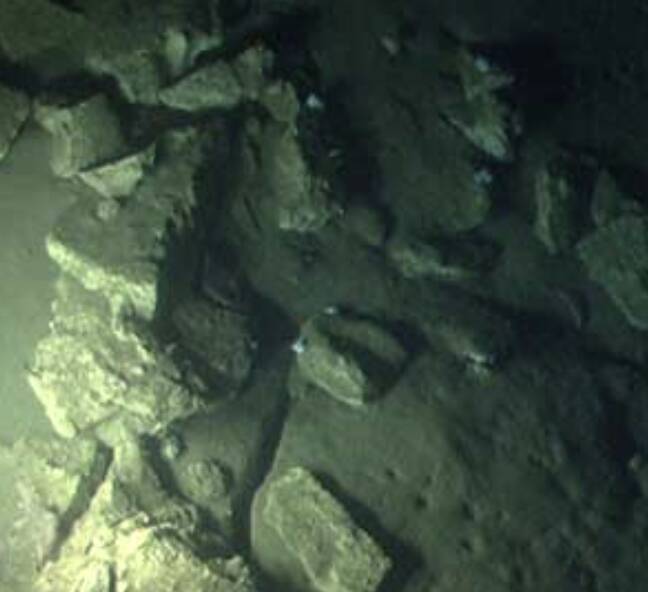
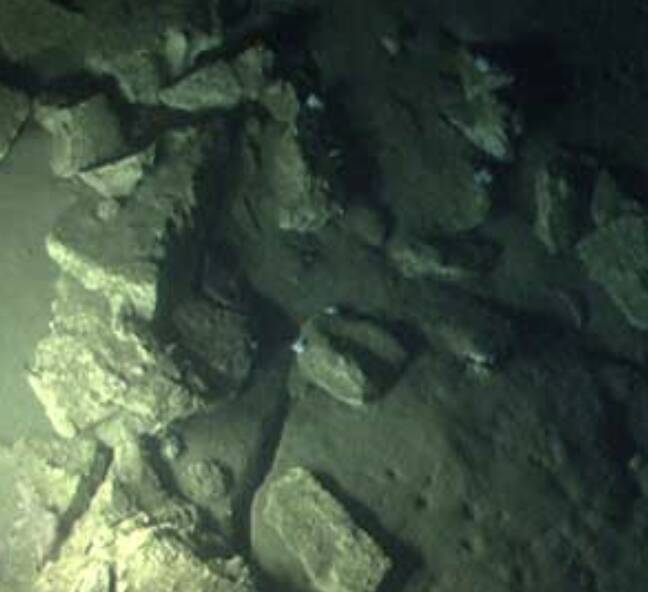
In a groundbreaking discovery, China has unearthed its first undersea gold deposit, which is also the largest in Asia, off the coast of Laizhou, in Yantai, Shandong province. This monumental find has sent shockwaves of excitement throughout the mining industry, and its implications are expected to be far-reaching. The discovery has lifted Laizhou’s total proven gold reserves to a staggering 3,900 tonnes, cementing China’s position as a gold mining powerhouse.
The undersea gold deposit, located in the coastal waters of Laizhou, is a game-changer for China’s gold mining industry. The country is already the world’s largest producer of gold ore, with an output of 377 tonnes. This new discovery is expected to further bolster China’s gold production, potentially making it an even more dominant player in the global gold market.
The discovery of the undersea gold deposit is a testament to China’s advancements in mining technology and its commitment to exploring new frontiers in the search for natural resources. The use of cutting-edge technology and innovative mining methods has enabled Chinese mining companies to tap into previously inaccessible gold reserves, opening up new avenues for growth and development.
The economic implications of this discovery are significant, with the potential to generate substantial revenue for the Chinese economy. Gold is a highly valued commodity, and the discovery of such a large undersea deposit is expected to attract significant investment and attention from the global mining community. The increased gold production will also have a positive impact on China’s trade balance, as the country will be able to export more gold to meet the growing demand from other countries.
The discovery of the undersea gold deposit is also expected to create new job opportunities and stimulate economic growth in the region. The mining industry is a significant employer, and the development of this new deposit will require a large workforce to extract and process the gold. This will have a positive impact on the local economy, as new jobs and businesses are created to support the mining operations.
In addition to the economic benefits, the discovery of the undersea gold deposit also highlights the importance of sustainable mining practices. As the world’s largest producer of gold ore, China has a responsibility to ensure that its mining operations are environmentally friendly and socially responsible. The development of the undersea gold deposit will require careful planning and management to minimize its impact on the marine ecosystem and ensure that the rights of local communities are respected.
The discovery of Asia’s largest undersea gold deposit is a significant milestone for China’s mining industry, and it underscores the country’s commitment to exploring new frontiers in the search for natural resources. As the global demand for gold continues to grow, China is well-positioned to meet this demand and become an even more dominant player in the global gold market.
In conclusion, the discovery of the undersea gold deposit off the coast of Laizhou is a major breakthrough for China’s mining industry, and its implications are expected to be far-reaching. The discovery has lifted Laizhou’s total proven gold reserves to more than 3,900 tonnes, cementing China’s position as a gold mining powerhouse. As the world’s largest producer of gold ore, China is expected to continue to play a major role in the global gold market, and this new discovery will only add to its reputation as a leader in the mining industry.
About the Author