Women are better at recognising illness in faces than men: Study
The age-old adage “a picture is worth a thousand words” takes on a new meaning when it comes to recognising illness in the faces of those around us. A recent study has found that women are better at recognising illness in the faces of sick people compared to men. This intriguing discovery has sparked interesting discussions about the possible reasons behind this difference in perception. In this blog post, we will delve into the details of the study, explore the possible explanations for this phenomenon, and examine the implications of these findings.
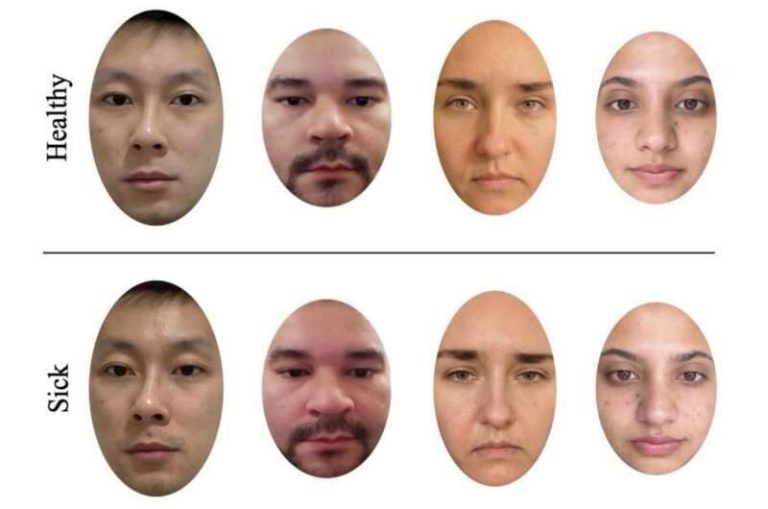
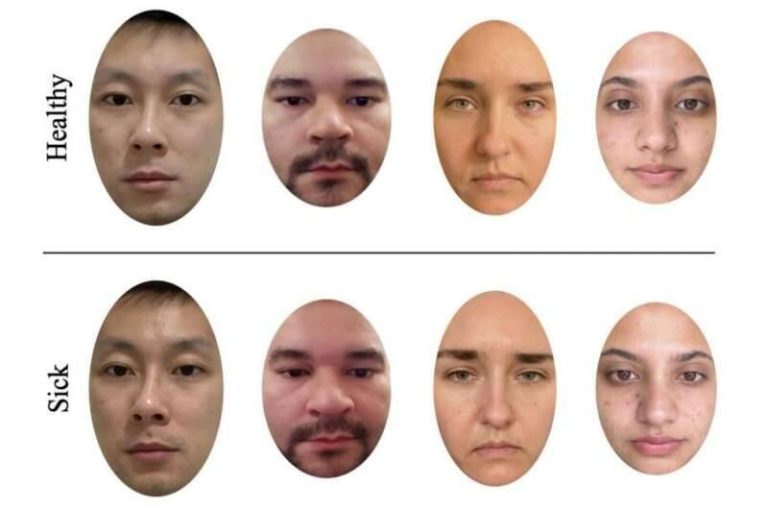
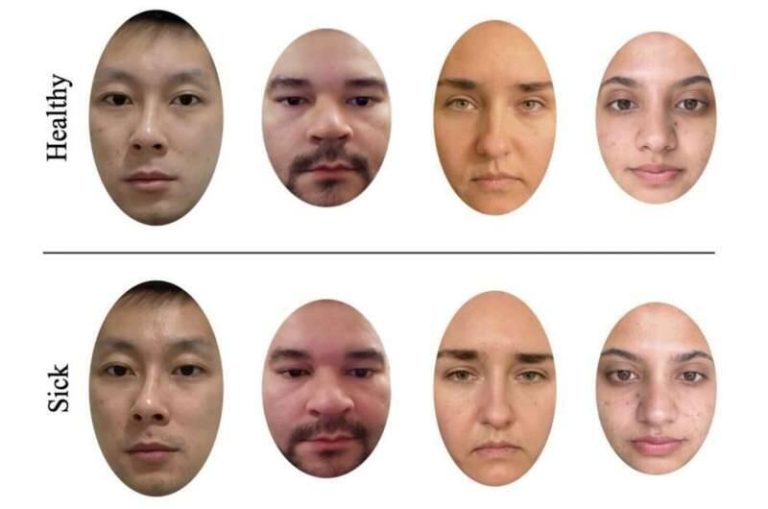
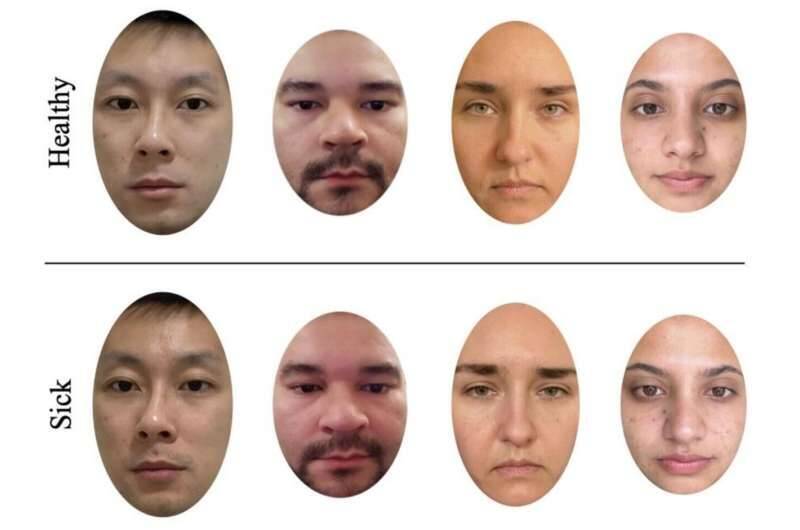
The study, which recruited 140 males and 140 females, asked participants to rate 24 photos of individuals in times of sickness and health. The photos were carefully selected to depict a range of illnesses, from mild to severe, and the participants were asked to evaluate the health status of each individual based solely on their facial appearance. The results showed that women were significantly better at recognising illness in the faces of sick people, with a higher accuracy rate compared to men.
The study proposed two hypotheses to explain this difference in perception. The first hypothesis suggests that women might have evolved to detect illness better as they took care of infants and children, who are more susceptible to illnesses. This hypothesis is based on the idea that, throughout history, women have played a primary role in childcare and caregiving, which would have required them to be more attuned to the health status of their dependents. As a result, women may have developed a more sensitive ability to detect subtle changes in facial expressions and appearance that signal illness.
The second hypothesis proposes that women may be more empathetic and attentive to social cues, which would enable them to pick up on subtle changes in facial expressions and body language that indicate illness. This hypothesis is supported by previous research, which has shown that women tend to be more empathetic and socially sensitive than men. According to this hypothesis, women’s greater emotional intelligence and social awareness may give them an edge when it comes to recognising illness in others.
The study’s findings have significant implications for our understanding of how we perceive and respond to illness in others. For instance, in a healthcare setting, being able to quickly and accurately identify patients who are showing signs of illness can be crucial in providing timely and effective treatment. If women are indeed better at recognising illness in faces, this could have important implications for the role of women in healthcare, particularly in positions such as nursing and medicine.
Furthermore, the study’s findings also have implications for our understanding of the evolution of human social behaviour. If women have evolved to be more sensitive to illness in others, this could suggest that there is a strong selective pressure for women to be able to detect and respond to illness in their dependents. This, in turn, could have shaped the development of women’s social and emotional abilities, including their ability to empathise with others and respond to their needs.
In addition to the study’s findings, it is also interesting to consider the potential limitations and future directions of this research. For example, the study relied on a relatively small sample size and used a limited range of photos to assess participants’ ability to recognise illness. Future studies could benefit from using larger and more diverse samples, as well as a wider range of stimuli to assess participants’ ability to recognise illness in different contexts.
In conclusion, the study’s findings suggest that women are better at recognising illness in faces than men, and propose two hypotheses to explain this difference in perception. The study’s findings have significant implications for our understanding of how we perceive and respond to illness in others, and highlight the importance of considering the role of women in healthcare and social care. As we continue to explore the complexities of human social behaviour and perception, it is essential to consider the potential differences in how men and women perceive and respond to illness, and to use this knowledge to inform the development of more effective healthcare and social care systems.
News Source: https://www.sciencedirect.com/science/article/abs/pii/S1090513825001527
About the Author