Women are better at recognising illness in faces than men: Study
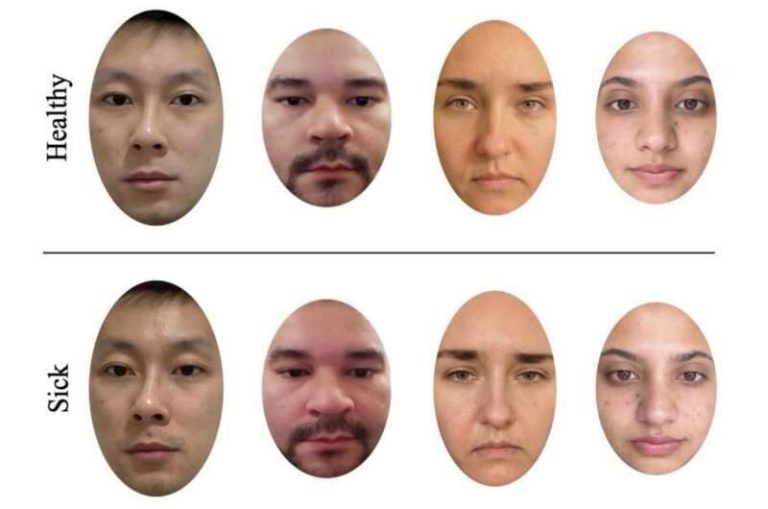
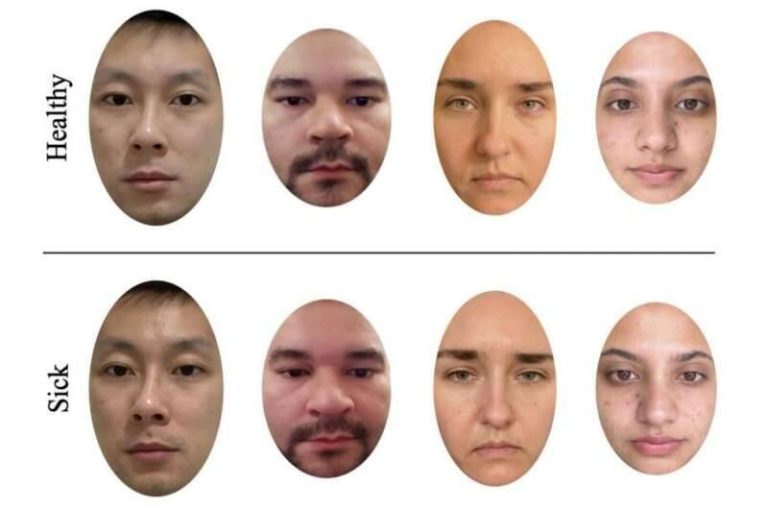
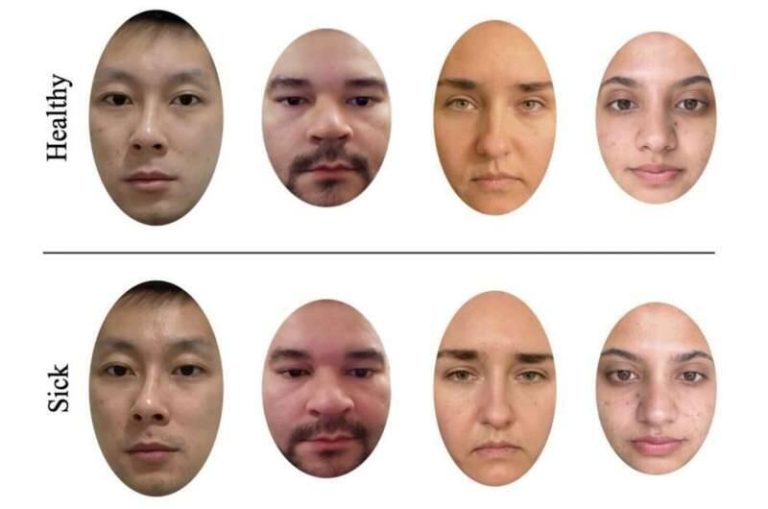
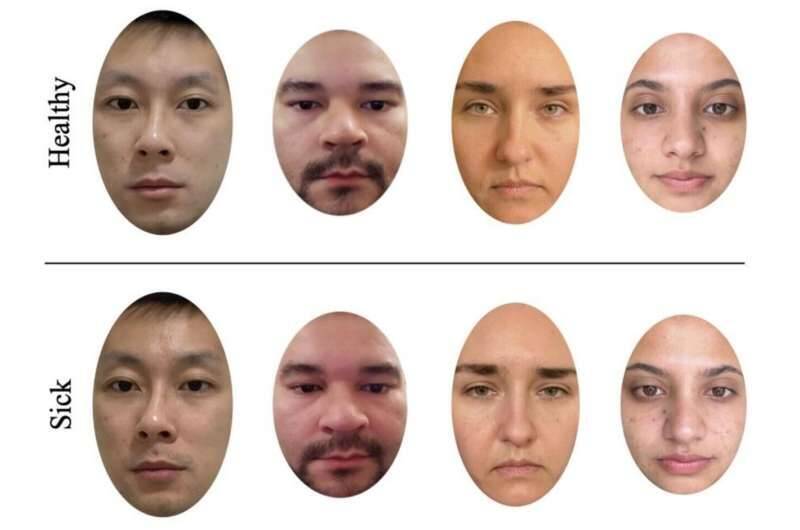
The ability to recognize illness in others is a crucial aspect of human interaction, particularly in the context of healthcare and social relationships. A recent study has shed light on the differences in how men and women perceive and recognize illness in the faces of others. The findings suggest that women are better at recognizing illness in the faces of sick people compared to men. This study, which recruited 140 males and 140 females to rate 24 photos in times of sickness and health, has significant implications for our understanding of human social behavior and evolution.
The study presented participants with a series of photographs of individuals who were either healthy or sick. The participants were then asked to rate the health status of the individuals in the photographs. The results showed that women were more accurate in recognizing illness in the faces of others, regardless of the type of illness or the severity of the symptoms. This finding is consistent with previous research that has suggested that women are more empathetic and attentive to the emotional and physical needs of others.
The study proposed two hypotheses to explain why women might be better at recognizing illness in faces. The first hypothesis suggests that women may have evolved to detect illness better as they took care of infants and young children. Throughout history, women have been the primary caregivers of children, and the ability to recognize illness in their dependents would have been crucial for ensuring their survival and well-being. This hypothesis is supported by research that has shown that mothers are more sensitive to the emotional and physical needs of their children, and are better at recognizing subtle changes in their behavior and appearance.
The second hypothesis proposes that women may be more attentive to social cues and more empathetic towards others, which would enable them to recognize illness in faces more accurately. Women are often socialized to be more nurturing and caring towards others, and are more likely to engage in behaviors that promote social bonding and cooperation. This increased attentiveness to social cues and emotional intelligence may enable women to pick up on subtle changes in the appearance and behavior of others, including changes that are indicative of illness.
The findings of this study have significant implications for our understanding of human social behavior and evolution. The fact that women are better at recognizing illness in faces suggests that there may be an evolutionary advantage to this ability, particularly in the context of childcare and social relationships. The study also highlights the importance of considering the role of sex differences in the perception and recognition of illness, and the need for further research in this area.
The study’s methodology was rigorous and well-designed, with a large sample size and a controlled experimental design. The use of photographs to assess the recognition of illness in faces was a clever and innovative approach, as it allowed the researchers to control for other factors that might influence the perception of illness, such as behavior and context. The study’s findings are also consistent with previous research on sex differences in social cognition and emotional intelligence, which suggests that women are more empathetic and attentive to the emotional and physical needs of others.
In conclusion, the study’s findings suggest that women are better at recognizing illness in the faces of sick people compared to men. The proposed hypotheses, which suggest that women may have evolved to detect illness better as they took care of infants and are more attentive to social cues, provide a plausible explanation for this finding. The study’s implications are significant, and highlight the importance of considering the role of sex differences in the perception and recognition of illness. Further research is needed to fully understand the mechanisms underlying this ability, and to explore the potential applications of this finding in fields such as healthcare and social psychology.
News Source: https://www.sciencedirect.com/science/article/abs/pii/S1090513825001527
About the Author