Women are better at recognising illness in faces than men: Study
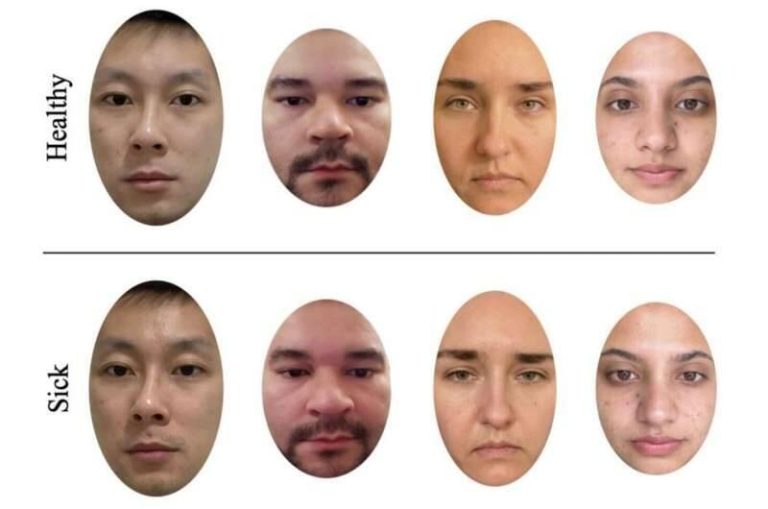
The ability to recognize illness in others is a crucial aspect of human social interaction. It helps us to empathize with those who are unwell, take necessary precautions to avoid getting infected, and provide support to those in need. A recent study has found that women are better at recognizing illness in the faces of sick people compared to men. This study, which recruited 140 males and 140 females to rate 24 photos in times of sickness and health, sheds light on the differences in how men and women perceive and respond to illness.
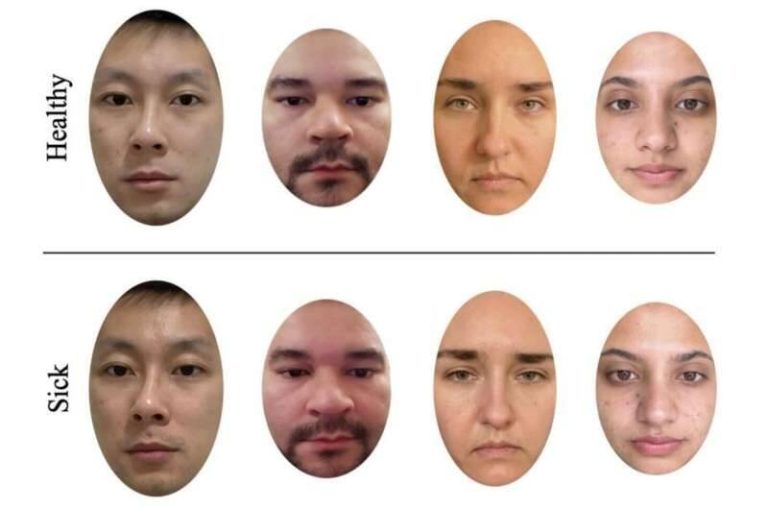
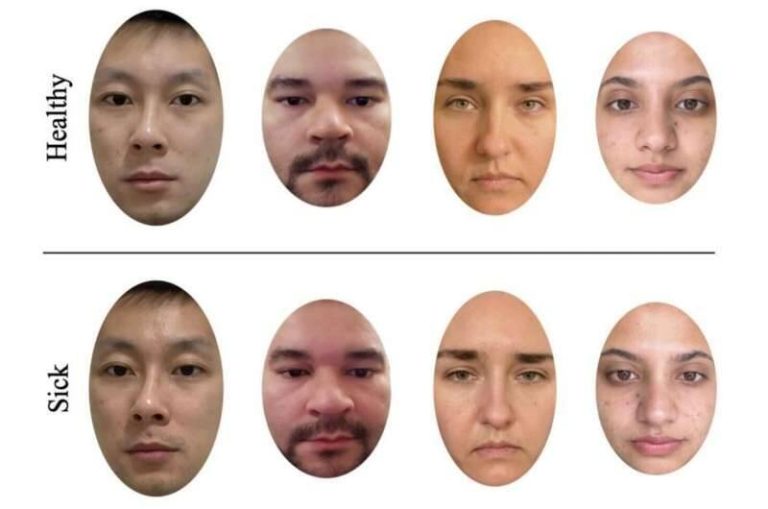
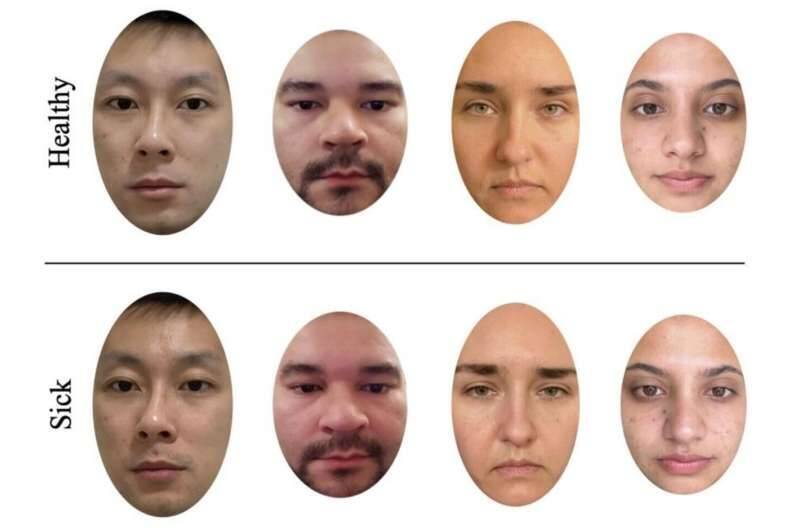
The study presented participants with a set of photos, some of which depicted individuals who were sick and others who were healthy. The participants were then asked to rate the photos based on how sick or healthy they perceived the individuals to be. The results showed that women were more accurate in their ratings, correctly identifying sick individuals more often than men. This difference was significant, suggesting that women have a greater ability to recognize illness in others.
The study proposed two hypotheses to explain why women might be better at recognizing illness. The first hypothesis suggests that women may have evolved to detect illness better as they have historically taken on more caregiving roles, such as caring for infants and children. This would have given them an adaptive advantage in being able to recognize when someone is unwell, allowing them to take necessary steps to protect themselves and their dependents. The second hypothesis proposes that women may be more sensitive to social cues, such as changes in facial expression and body language, which can indicate illness.
The finding that women are better at recognizing illness has important implications for our understanding of social interaction and health. It suggests that women may play a key role in detecting and responding to illness in their social networks, and that they may be more effective at providing care and support to those who are unwell. This is consistent with other research that has shown that women are more empathetic and nurturing than men, and that they tend to take on more caregiving roles in society.
The study’s findings also have implications for the field of healthcare. If women are indeed better at recognizing illness, it may be beneficial to have more female healthcare providers, such as nurses and doctors, who can bring their skills and perspectives to the diagnosis and treatment of illness. Additionally, the study’s findings may inform the development of training programs for healthcare providers, which could focus on teaching them to recognize the subtle cues that indicate illness.
It is worth noting that the study’s findings are based on a specific set of photos and participants, and may not be generalizable to all populations. However, the study’s results are consistent with other research that has shown that women are more sensitive to social cues and more empathetic than men. Further research is needed to fully understand the mechanisms behind women’s ability to recognize illness, and to explore the implications of this finding for healthcare and social interaction.
In conclusion, the study’s finding that women are better at recognizing illness in faces than men is an important one, with implications for our understanding of social interaction, health, and healthcare. The study’s hypotheses, which suggest that women may have evolved to detect illness better due to their caregiving roles, and that they may be more sensitive to social cues, provide a framework for understanding this difference. As we continue to explore the mechanisms behind this finding, we may uncover new insights into the complex and multifaceted nature of human social interaction.
The study’s results also highlight the importance of considering the role of gender in healthcare and social interaction. By recognizing and valuing the skills and perspectives that women bring to these areas, we may be able to develop more effective and compassionate systems of care. Ultimately, the study’s finding that women are better at recognizing illness in faces than men is a reminder of the complex and nuanced nature of human perception and social interaction, and the need for continued research and exploration in this area.
For more information on this study, please visit: https://www.sciencedirect.com/science/article/abs/pii/S1090513825001527
News Source: https://www.sciencedirect.com/science/article/abs/pii/S1090513825001527
About the Author