Class 5 Girl Blocks Road for 3 Hrs After School Van Fails to Arrive in MP
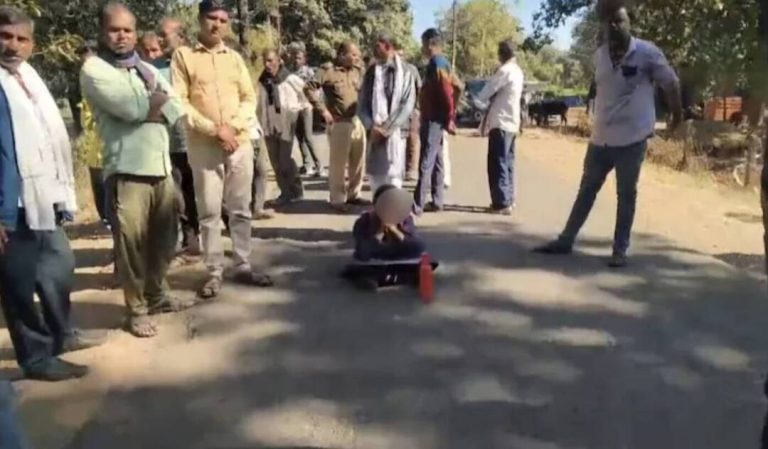
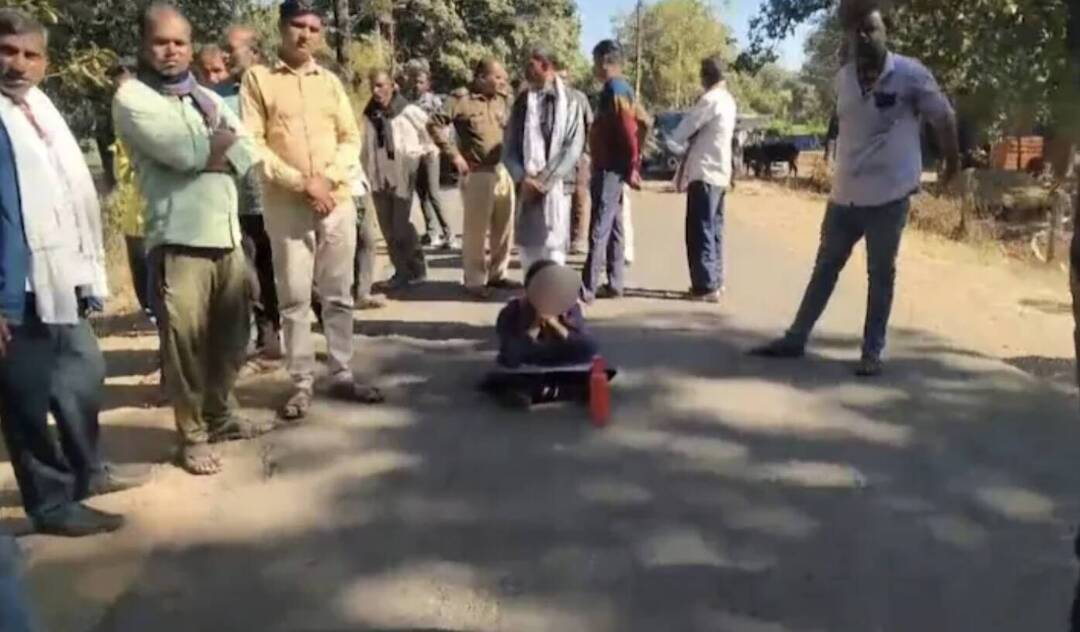
In a shocking incident that has drawn attention to the determination and courage of a young girl, a 10-year-old student from Madhya Pradesh’s Betul district took matters into her own hands when her school van failed to arrive to pick her up. Surabhi Yadav, a Class 5 student, decided to block a road in protest, causing a significant disruption to traffic for nearly three hours. The incident has sparked a mix of reactions, with some hailing the girl’s spirit and others questioning the circumstances that led to such an extreme measure.
According to reports, the school management had discontinued the van service for Surabhi after her family allegedly failed to pay transportation fees for the last two years. This decision left Surabhi without a means to commute to school, prompting her to take a stand. On the day of the incident, when the van did not arrive as expected, Surabhi decided to express her frustration and disappointment by blocking the road. She sat on the road, holding her school bag, refusing to budge until her grievances were heard.
The scene must have been quite dramatic, with a young girl, determined and steadfast, halting the flow of traffic. It’s not every day that one sees such resolve in someone so young, and it speaks volumes about the character and conviction of Surabhi. Her actions, though unorthodox, were a clear indication of her desperation and the sense of injustice she felt. By blocking the road, Surabhi was not just protesting against the school’s decision but also highlighting the plight of students who face similar challenges due to financial constraints or administrative decisions.
The incident has raised several questions about the responsibilities of schools towards their students, especially when it comes to providing basic services like transportation. While the school management may have had its reasons for discontinuing the van service, it is equally important to consider the impact of such decisions on students and their families. In this case, Surabhi’s family had allegedly not paid the transportation fees for two years, which might have been due to financial difficulties. It is the duty of educational institutions to be more understanding and supportive, especially when it comes to the welfare of their students.
Surabhi’s protest also underscores the need for a more compassionate and student-centric approach in schools. Instead of simply discontinuing services, schools could explore alternative solutions that do not penalize students for circumstances beyond their control. This could include offering payment plans, scholarships, or even temporary waivers for families facing financial hardships. By doing so, schools can ensure that all students have equal access to education and the resources they need to succeed.
The reaction of the authorities and the school management to Surabhi’s protest will be closely watched. While it is important to maintain order and ensure that such protests do not disrupt public life, it is equally crucial to address the underlying issues that led to this situation. The school and the relevant authorities must take this opportunity to review their policies and procedures, ensuring that they are fair, equitable, and supportive of all students, regardless of their financial background.
In conclusion, Surabhi Yadav’s bold move to block the road in protest against the discontinuation of her school van service is a testament to the determination and spirit of young individuals. While her actions may have caused inconvenience to some, they have also brought attention to important issues that need to be addressed. As we reflect on this incident, it is essential to consider the broader implications and the need for schools and authorities to be more understanding, supportive, and student-centric in their approach.
About the Author