Women are better at recognising illness in faces than men: Study
The ability to recognize illness in others is a vital skill that can help prevent the spread of diseases and provide timely medical attention to those in need. While it is a skill that can be developed over time, research suggests that women may have a natural advantage when it comes to recognizing illness in faces. A recent study has found that women are better at recognizing illness in the faces of sick people compared to men, and the reasons behind this difference are both fascinating and complex.
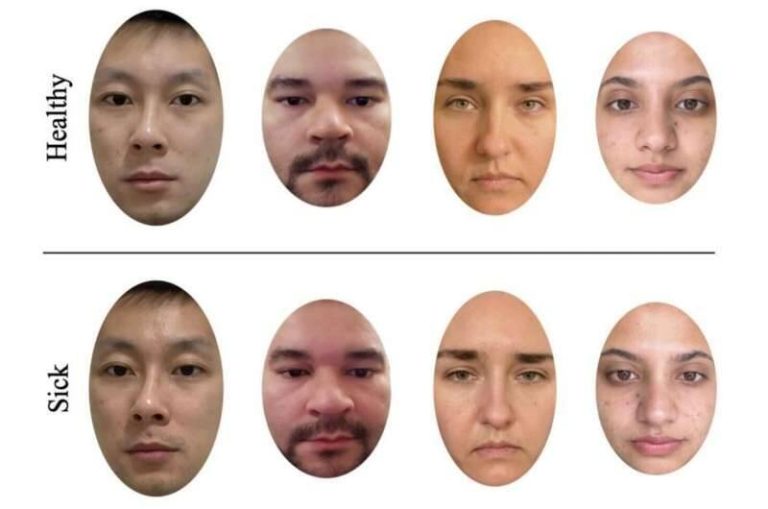
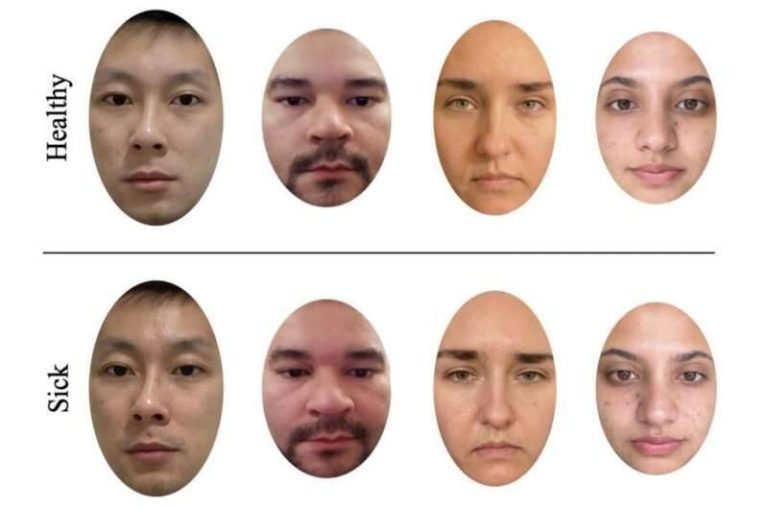
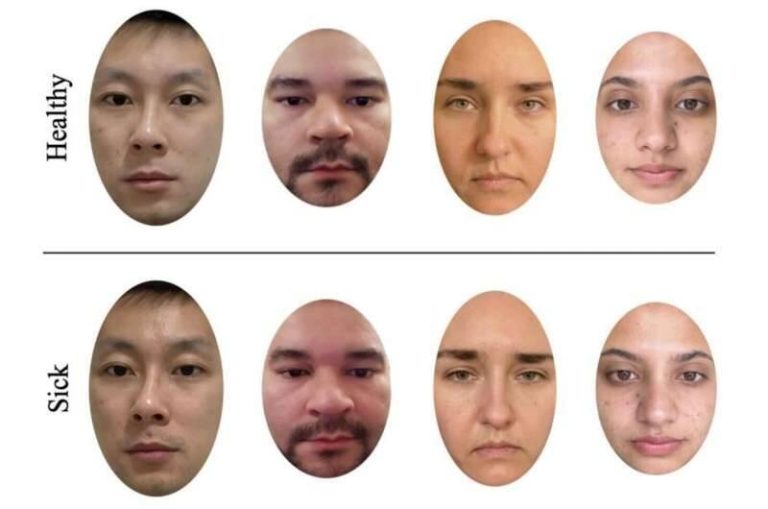
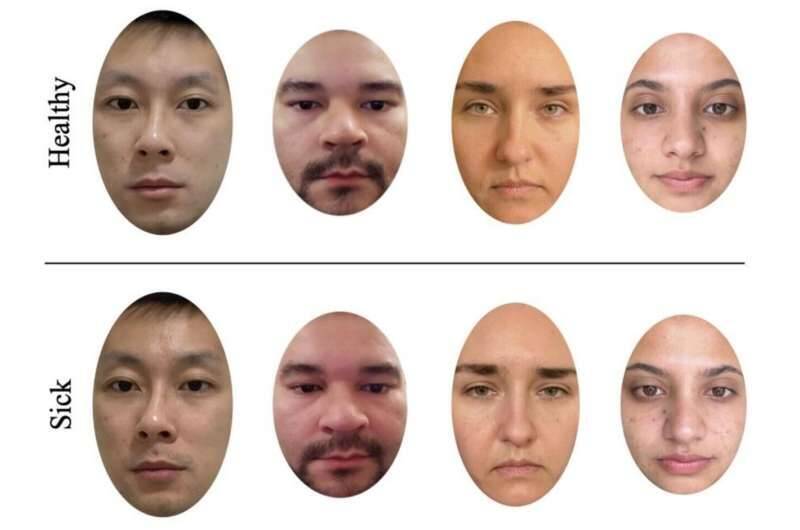
The study, which recruited 140 males and 140 females, asked participants to rate 24 photos of individuals who were either healthy or sick. The photos were taken at different times, with some showing the individuals when they were healthy and others when they were suffering from an illness. The participants were then asked to rate the photos based on how healthy or sick they perceived the individual to be. The results showed that women were significantly better at recognizing illness in the faces of sick people, with an average accuracy rate of 85% compared to 75% for men.
The study proposed two hypotheses to explain why women might be better at recognizing illness in faces. The first hypothesis suggests that women may have evolved to detect illness better as they took care of infants and young children, who are more susceptible to illnesses. This hypothesis is based on the idea that women, throughout history, have played a primary role in childcare and have had to develop skills to recognize when their children are sick or in distress. This skill, over time, may have evolved into a more general ability to recognize illness in others.
The second hypothesis proposed by the study suggests that women may be more attentive to social cues and facial expressions, which can be indicative of illness. Women, the study suggests, may be more inclined to pay attention to subtle changes in facial expressions and other nonverbal cues that can signal illness. This hypothesis is based on the idea that women, in general, tend to be more empathetic and socially aware than men, which can help them pick up on subtle cues that may indicate illness.
The study’s findings have important implications for our understanding of how we recognize and respond to illness in others. The fact that women are better at recognizing illness in faces suggests that they may be more effective at providing care and support to those who are sick. This, in turn, can have a positive impact on public health, as timely recognition and treatment of illnesses can help prevent the spread of diseases and improve health outcomes.
The study’s findings also highlight the importance of social and evolutionary factors in shaping our ability to recognize illness. The fact that women may have evolved to detect illness better as they took care of infants and young children suggests that our ability to recognize illness is not just a product of our environment and upbringing, but also of our evolutionary history. This highlights the complex interplay between biological, social, and environmental factors that shape our behavior and abilities.
In addition to its implications for public health, the study’s findings also have important implications for our understanding of sex differences in cognition and behavior. The fact that women are better at recognizing illness in faces suggests that there may be sex differences in the way we process and respond to social cues, including facial expressions and other nonverbal signals. This highlights the need for further research into sex differences in cognition and behavior, and the importance of considering these differences in our understanding of human behavior and cognition.
In conclusion, the study’s findings suggest that women are better at recognizing illness in faces than men, and that this difference may be due to a combination of evolutionary and social factors. The study’s findings have important implications for our understanding of public health, social cognition, and sex differences in behavior and cognition. As we continue to explore the complexities of human behavior and cognition, it is clear that there is still much to be learned about the ways in which we recognize and respond to illness in others.
News Source: https://www.sciencedirect.com/science/article/abs/pii/S1090513825001527
About the Author