Women are better at recognising illness in faces than men: Study
The ability to recognise illness in others is a vital skill that can help prevent the spread of diseases and ensure timely medical attention. While it may seem like a straightforward task, research has shown that there are significant differences in how men and women perceive and identify illness in others. A recent study has found that women are better at recognising illness in the faces of sick people compared to men, shedding light on the possible evolutionary and social factors that contribute to this disparity.
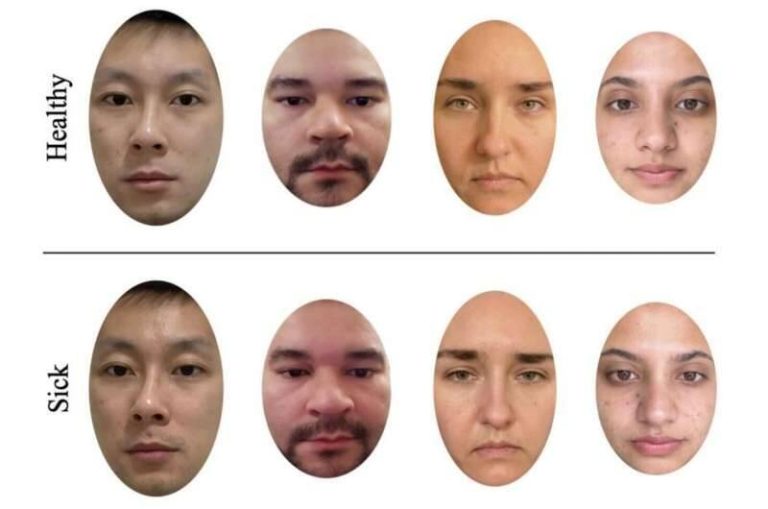
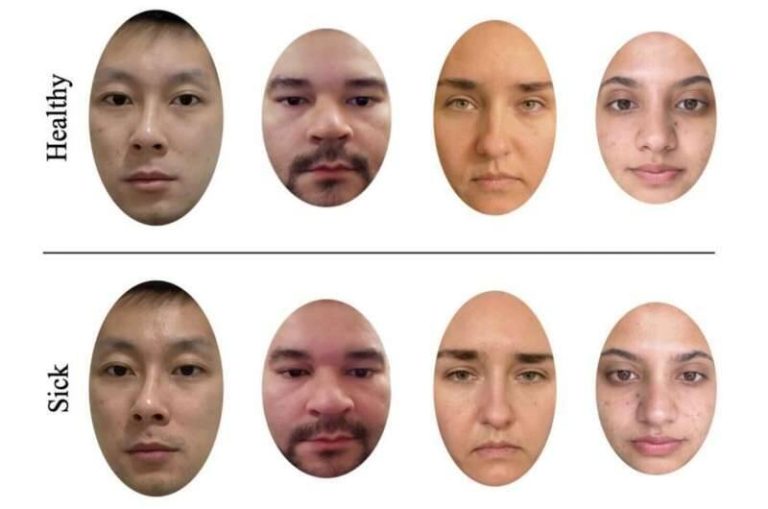
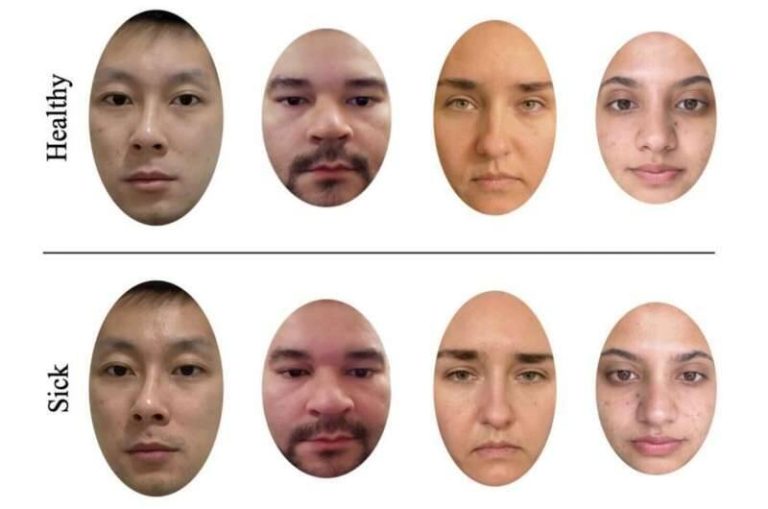
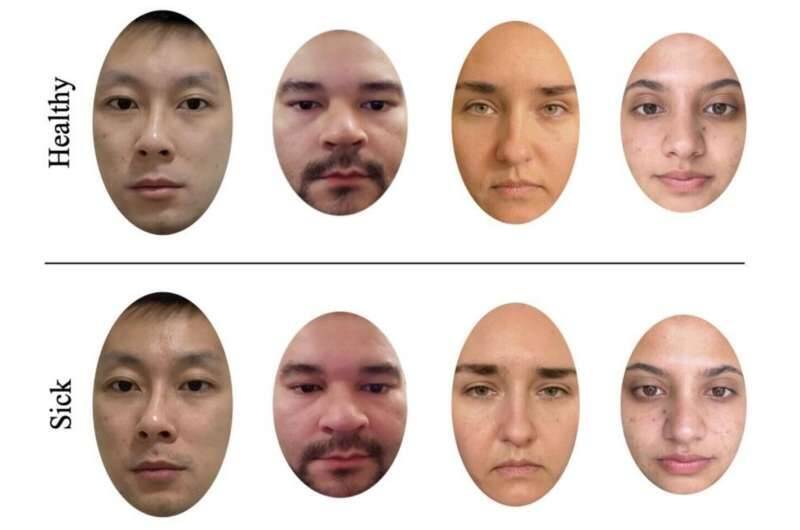
The study, which recruited 140 males and 140 females, asked participants to rate 24 photos of individuals in times of sickness and health. The photos were carefully selected to depict subtle signs of illness, such as pale skin, dark circles under the eyes, and flushed cheeks. The participants were then asked to rate the health of each individual in the photo, with the results showing that women were significantly better at identifying illness than men.
The study stated two hypotheses for this finding, suggesting that women may have evolved to detect illness better due to their traditional role in caring for infants and family members. This theory proposes that women’s brains may have developed a heightened sense of awareness and attention to subtle changes in physical appearance, allowing them to detect early signs of illness and take action to prevent its spread. Additionally, the study suggests that women may be more empathetic and nurturing, which could also contribute to their ability to recognise illness in others.
The first hypothesis, known as the “evolutionary hypothesis,” suggests that women’s ability to detect illness is an adaptation that has evolved over time to protect their offspring and loved ones from harm. This theory is supported by research that shows that women are more likely to be caregivers and take on nurturing roles, which would require them to be highly attuned to the physical and emotional needs of others. By being able to detect early signs of illness, women can take action to prevent its spread and ensure the health and well-being of their family members.
The second hypothesis, known as the “social hypothesis,” suggests that women’s ability to detect illness is due to social and cultural factors that emphasize nurturing and caregiving roles. This theory proposes that women are socialized to be more empathetic and attentive to the needs of others, which could contribute to their ability to recognise illness in others. Additionally, women may be more likely to engage in behaviors that promote health and well-being, such as healthy eating and regular exercise, which could also contribute to their ability to detect illness.
The study’s findings have significant implications for our understanding of how men and women perceive and respond to illness. The results suggest that women’s brains may be wired to detect subtle changes in physical appearance, which could be an important factor in preventing the spread of diseases. Additionally, the study highlights the importance of empathy and nurturing in detecting and responding to illness, which could inform strategies for improving healthcare outcomes.
The study’s results also have practical implications for healthcare professionals, who may need to take into account the differences in how men and women perceive and respond to illness. For example, healthcare providers may need to provide additional training and support to male healthcare workers to help them develop their skills in detecting illness. Additionally, the study’s findings could inform the development of public health campaigns and education programs that target men and women differently.
In conclusion, the study’s findings provide new insights into the differences in how men and women perceive and respond to illness. The results suggest that women are better at recognising illness in the faces of sick people, and that this ability may be due to a combination of evolutionary and social factors. As we continue to navigate the complexities of human health and illness, it is essential that we take into account the differences in how men and women perceive and respond to illness, and develop strategies that promote empathy, nurturing, and attention to subtle changes in physical appearance.
The study’s findings are a significant contribution to our understanding of human health and behavior, and have important implications for healthcare professionals, policymakers, and the general public. As we move forward, it is essential that we continue to explore the complex factors that contribute to our ability to detect and respond to illness, and develop strategies that promote health and well-being for all.
News Source: https://www.sciencedirect.com/science/article/abs/pii/S1090513825001527
About the Author