Women are better at recognising illness in faces than men: Study
The ability to recognize illness in others is a crucial aspect of human interaction, as it allows us to provide care and support to those who need it. While it may seem like a simple task, recognizing illness can be a complex process that involves subtle cues and observations. A recent study has found that women are better at recognizing illness in the faces of sick people compared to men, shedding new light on the differences in how men and women perceive and respond to illness.
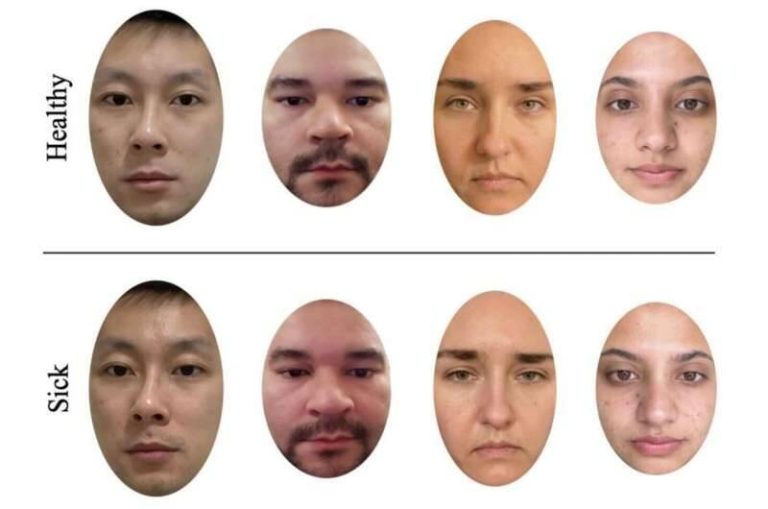
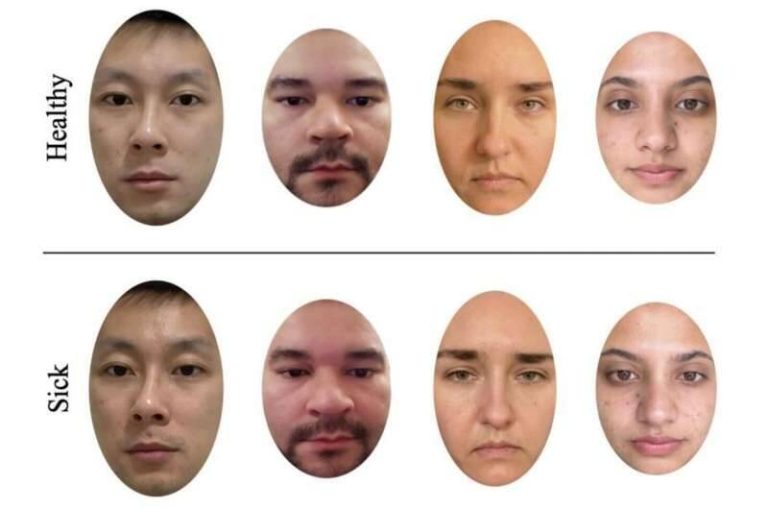
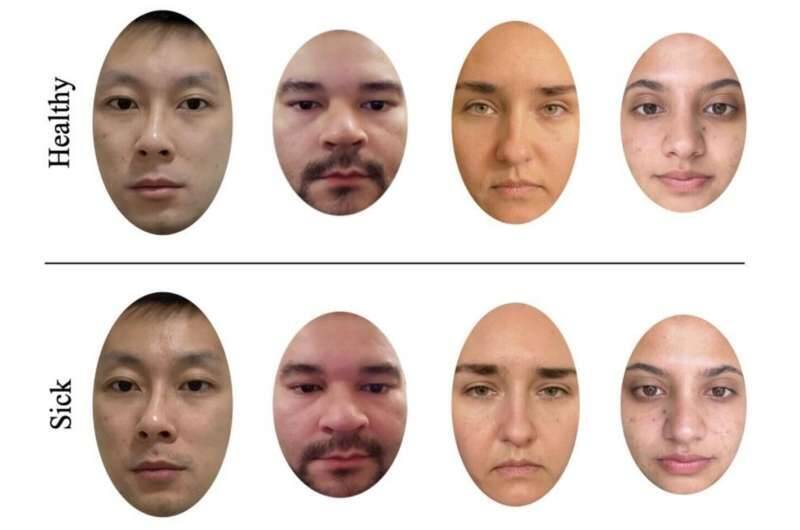
The study, which recruited 140 males and 140 females, asked participants to rate 24 photos of individuals in times of sickness and health. The photos were carefully selected to ensure that the only difference between the sick and healthy versions was the presence of illness-related cues, such as redness, swelling, or discoloration. The participants were then asked to rate the photos on a scale of 1-10, with 1 indicating that the person looked completely healthy and 10 indicating that they looked extremely sick.
The results of the study showed that women were significantly better at recognizing illness in the faces of sick people compared to men. On average, women correctly identified 85% of the sick faces, while men correctly identified only 75%. This difference was statistically significant, suggesting that women have a greater ability to detect illness-related cues in facial expressions.
But why might women be better at recognizing illness in faces than men? The study proposed two hypotheses to explain this difference. The first hypothesis is that women may have evolved to detect illness better as a result of their traditional role as caregivers. Throughout history, women have often been responsible for caring for infants and children, who are more susceptible to illness and disease. As a result, women may have developed a heightened sensitivity to illness-related cues in order to provide better care for their dependents.
The second hypothesis is that women may be more attentive to social and emotional cues in general, which could also contribute to their ability to recognize illness in faces. Women are often socialized to be more empathetic and nurturing than men, which could lead them to be more attuned to subtle changes in facial expressions and body language. This increased attentiveness could, in turn, help women to better recognize illness-related cues and respond accordingly.
The study’s findings have important implications for our understanding of how men and women perceive and respond to illness. They suggest that women may be more effective caregivers, not just because of their traditional role in caring for dependents, but also because of their increased ability to recognize illness-related cues. This could have significant implications for healthcare, as women may be better equipped to provide care and support to patients who are sick or injured.
The study also highlights the importance of considering gender differences in perception and behavior. While men and women may share many similarities, there are also significant differences in how they perceive and respond to the world around them. By recognizing and understanding these differences, we can develop more effective strategies for promoting health and well-being, and for providing care and support to those who need it.
In conclusion, the study’s findings suggest that women are better at recognizing illness in faces than men, and that this difference may be due to a combination of evolutionary and social factors. The study’s results have important implications for our understanding of how men and women perceive and respond to illness, and highlight the need for further research into the differences between men and women in this area.
As we continue to learn more about the differences between men and women, we may uncover even more insights into the complex and multifaceted nature of human perception and behavior. By exploring these differences, we can develop a deeper understanding of how men and women interact with the world around them, and how we can work together to promote health, well-being, and happiness.
The study’s findings are also a reminder of the importance of considering the social and emotional aspects of healthcare. While medical treatment is often focused on the physical aspects of illness, the social and emotional aspects of care can be just as important. By recognizing the value of empathy, nurturing, and social support, we can develop more effective strategies for promoting health and well-being, and for providing care and support to those who need it.
In the end, the study’s findings are a testament to the complexity and nuance of human perception and behavior. By exploring the differences between men and women, we can gain a deeper understanding of how we interact with the world around us, and how we can work together to promote health, happiness, and well-being.
News Source: https://www.sciencedirect.com/science/article/abs/pii/S1090513825001527
About the Author