Women are better at recognising illness in faces than men: Study
When it comes to recognising illness in others, it appears that women have a distinct advantage over men. A recent study has found that women are more adept at identifying signs of sickness in the faces of others, compared to their male counterparts. This fascinating discovery has significant implications for our understanding of human behavior, social interactions, and even the evolution of caregiving roles.
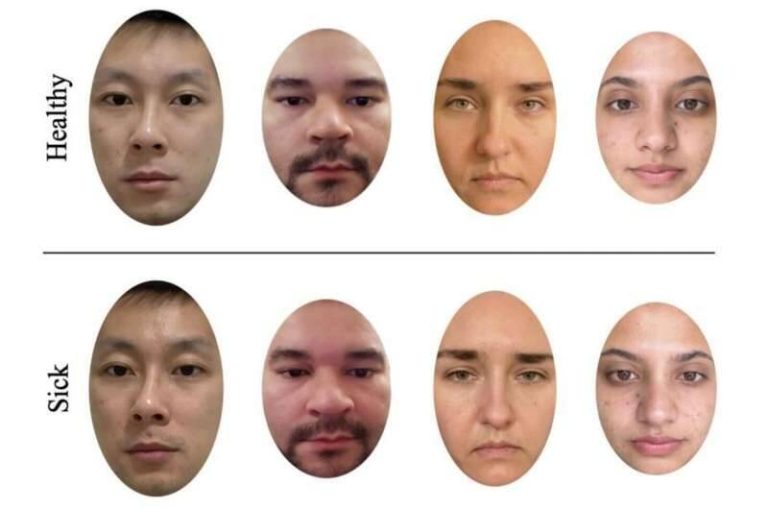
The study, which recruited 140 males and 140 females, asked participants to rate 24 photos of individuals in both healthy and sick states. The photos were carefully selected to capture a range of subtle facial cues that can indicate illness, such as pale skin, dark circles under the eyes, and changes in facial expression. The results showed that women were consistently better at recognising illness in the faces of others, regardless of the severity of the illness or the individual’s overall health.
But why might women be better at recognising illness in faces? The study proposes two hypotheses to explain this phenomenon. Firstly, it suggests that women may have evolved to detect illness more effectively due to their traditional role as caregivers, particularly when it comes to infants and young children. Throughout history, women have often been responsible for nurturing and caring for their offspring, which would have required them to be highly attuned to subtle changes in their child’s health and wellbeing.
This theory is supported by the fact that women are often more empathetic and socially sensitive than men, with a greater ability to read nonverbal cues such as facial expressions and body language. This heightened sensitivity would have allowed women to detect early signs of illness in their children, enabling them to provide timely care and attention. Over time, this ability to recognise illness may have become an evolutionary advantage, passed down through generations of women.
The second hypothesis proposed by the study is that women may be more motivated to recognize illness due to their greater investment in social relationships and community bonding. Women often play a central role in maintaining social connections and building relationships, which would have required them to be highly attuned to the emotional and physical states of those around them. By being able to detect illness more effectively, women may have been better able to provide support and care to their loved ones, strengthening social bonds and promoting collective well-being.
The implications of this study are far-reaching and multifaceted. For example, the findings could inform the development of more effective healthcare systems, where women’s intuition and observational skills are valued and utilized. In medical settings, women’s ability to recognise illness could be leveraged to improve diagnosis and treatment outcomes, particularly in cases where subtle facial cues may be indicative of underlying health issues.
Furthermore, the study’s results highlight the importance of empathy and social sensitivity in human interactions. By recognising the value of women’s emotional intelligence and caregiving abilities, we can work to create a more compassionate and supportive society, where individuals are better equipped to respond to the needs of others.
In conclusion, the study’s findings demonstrate that women are indeed better at recognising illness in faces than men, and this advantage may be rooted in their evolutionary history as caregivers and social bonders. As we continue to navigate the complexities of human behavior and social interactions, it is essential to acknowledge and appreciate the unique strengths and abilities that women bring to the table.
By embracing and valuing these differences, we can work towards creating a more harmonious and supportive society, where everyone has the opportunity to thrive. And as we move forward, it is crucial to remember that the ability to recognise illness is not just a product of individual intuition, but also a testament to the power of human connection and empathy.
News Source: https://www.sciencedirect.com/science/article/abs/pii/S1090513825001527
About the Author