Women are better at recognising illness in faces than men: Study
The ability to recognize illness in others is a crucial aspect of human interaction, as it allows us to respond appropriately to those who are unwell and take necessary precautions to prevent the spread of disease. While this ability is essential for everyone, research has shown that women are better at recognizing illness in faces than men. A recent study published in the journal of Evolution and Human Behavior has found that women are more adept at detecting subtle changes in facial features that indicate illness, compared to their male counterparts.
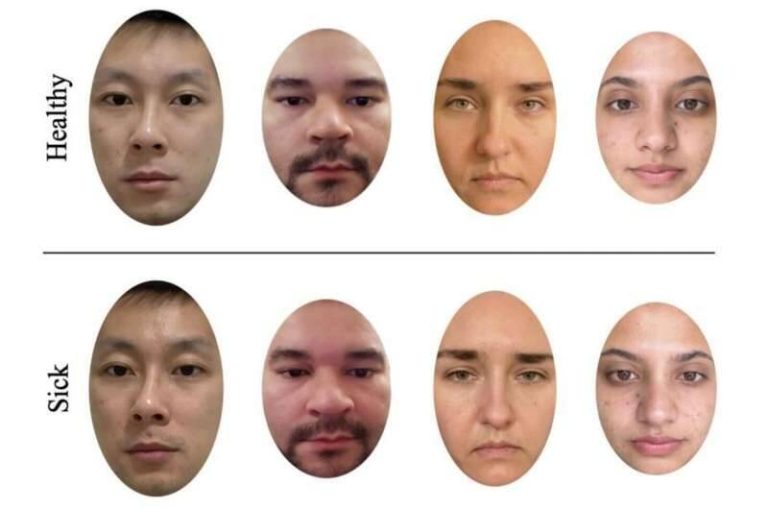
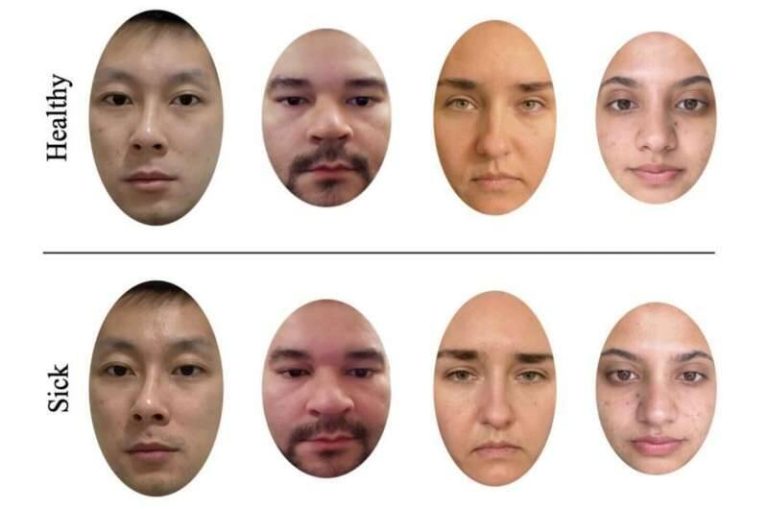
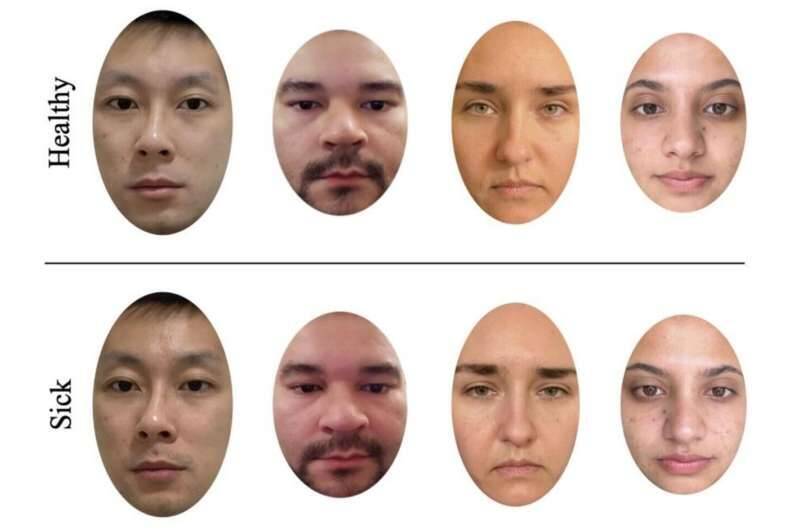
The study, which recruited 140 males and 140 females, asked participants to rate 24 photos of individuals in times of sickness and health. The photos were taken from a database of images of people with various illnesses, including the common cold, flu, and other infections. The participants were asked to rate the photos based on how sick or healthy they perceived the individual to be. The results showed that women were significantly better at recognizing illness in the faces of sick people, compared to men.
The study proposed two hypotheses to explain why women might be better at recognizing illness in faces. The first hypothesis suggests that women may have evolved to detect illness better as they have historically taken on more caregiving roles, such as caring for infants and children. This would have required them to be more attuned to subtle changes in facial features and behavior that indicate illness, in order to provide appropriate care and prevent the spread of disease.
The second hypothesis proposes that women may be more sensitive to social cues, such as facial expressions and body language, which can indicate illness or distress. This sensitivity to social cues may be an adaptation that has evolved in women as a result of their role in social bonding and relationships. Women may be more inclined to pay attention to the emotional and social needs of others, which would require them to be more attuned to subtle changes in facial features and behavior.
The findings of this study have important implications for our understanding of human behavior and evolution. They suggest that women may have an evolutionary advantage when it comes to recognizing illness in others, which could have significant benefits for their own health and well-being, as well as that of their families and communities. The study also highlights the importance of considering the role of gender in the perception and recognition of illness, and how this may impact our responses to sick individuals.
In addition to the evolutionary hypotheses proposed by the study, there are other possible explanations for why women may be better at recognizing illness in faces. For example, women may be more likely to engage in empathetic and nurturing behaviors, such as caregiving and social support, which would require them to be more attuned to the emotional and physical needs of others. Women may also be more likely to pay attention to subtle changes in facial features and behavior, as they are often socialized to be more attentive to the needs and feelings of others.
The study’s findings also have significant implications for the field of medicine and healthcare. If women are indeed better at recognizing illness in faces, this could have important implications for the diagnosis and treatment of diseases. For example, women may be more effective at detecting subtle changes in facial features that indicate illness, which could lead to earlier diagnosis and treatment. Additionally, women may be more empathetic and responsive to the emotional and social needs of patients, which could improve patient outcomes and satisfaction with care.
In conclusion, the study’s findings suggest that women are better at recognizing illness in faces than men, and propose two hypotheses to explain this difference. The study highlights the importance of considering the role of gender in the perception and recognition of illness, and has significant implications for our understanding of human behavior and evolution. The findings also have important implications for the field of medicine and healthcare, and suggest that women may have an evolutionary advantage when it comes to recognizing illness in others.
The study’s results are a significant contribution to our understanding of human behavior and evolution, and highlight the importance of considering the role of gender in the perception and recognition of illness. As we continue to learn more about the complexities of human behavior and evolution, it is essential to consider the role of gender and how it impacts our interactions with others.
The study’s findings also have significant implications for the way we approach healthcare and medicine. By recognizing the importance of gender in the perception and recognition of illness, we can develop more effective strategies for diagnosing and treating diseases. Additionally, by valuing the contributions of women in healthcare, we can improve patient outcomes and satisfaction with care.
In the end, the study’s findings are a reminder of the importance of considering the complexities of human behavior and evolution. By recognizing the role of gender in the perception and recognition of illness, we can gain a deeper understanding of the intricate relationships between humans and their environment, and develop more effective strategies for promoting health and well-being.
News Source: https://www.sciencedirect.com/science/article/abs/pii/S1090513825001527
About the Author