Women are better at recognising illness in faces than men: Study
For centuries, it has been a common notion that women are more empathetic and nurturing than men. While this may be a subjective topic, a recent study has provided evidence that women are indeed better at recognising illness in the faces of sick people compared to men. This fascinating study, which involved 280 participants, sheds light on the differences in how men and women perceive and respond to illness.
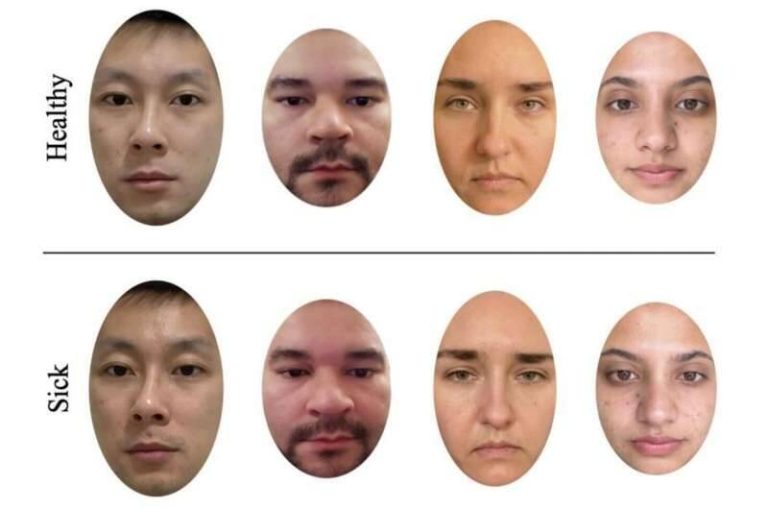
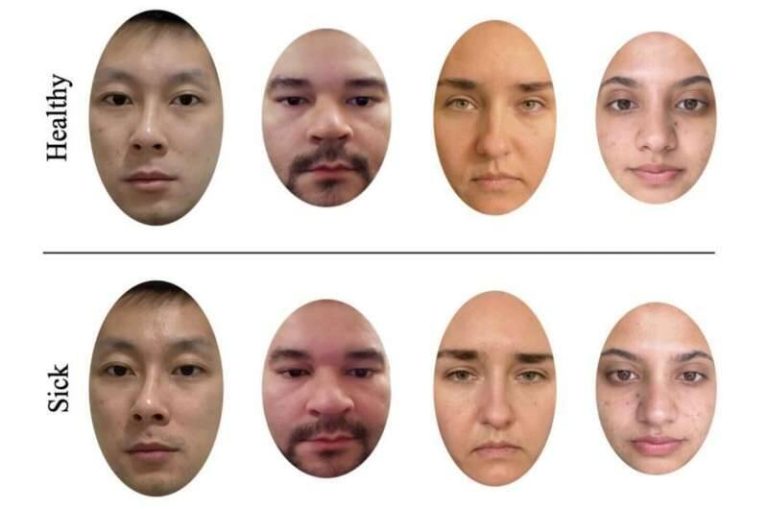
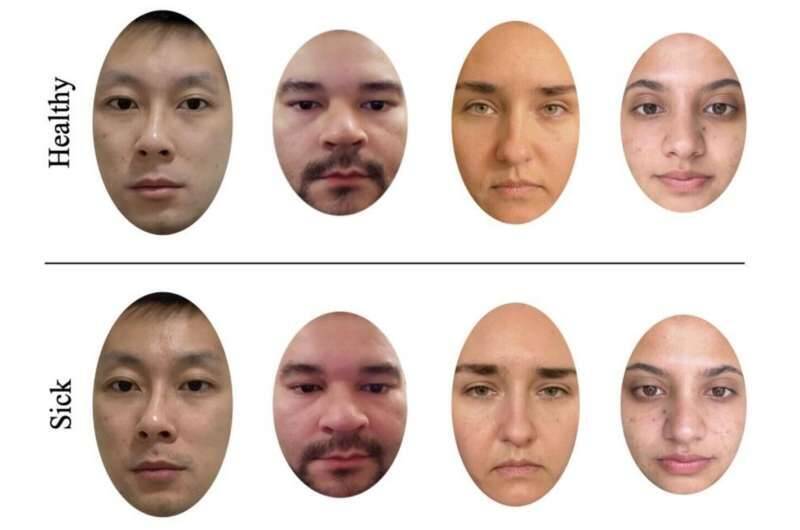
The study, which was conducted by a team of researchers, recruited 140 males and 140 females to participate in an experiment. The participants were shown 24 photos of people, taken at times of sickness and health. The photos were carefully selected to ensure that the participants were not influenced by any external factors, such as makeup or clothing. The participants were then asked to rate the photos based on how sick or healthy they perceived the person in the photo to be.
The results of the study were striking. Women were found to be significantly better at recognising illness in the faces of sick people compared to men. This was true even when the illness was not immediately apparent, and the participants had to rely on subtle cues such as changes in skin tone, eye color, and facial expression.
The study proposed two hypotheses to explain why women might be better at recognising illness than men. The first hypothesis suggests that women may have evolved to detect illness better as they have traditionally taken on the role of caregivers, particularly for infants and children. This would have given them an adaptive advantage in terms of being able to identify potential health threats and respond accordingly.
The second hypothesis proposes that women may be more sensitive to social cues, such as facial expressions and body language, which could help them to detect illness more effectively. This is supported by previous research, which has shown that women tend to be more empathetic and better at reading social cues than men.
The implications of this study are significant. It suggests that women may be more effective at providing care and support to sick individuals, not just because of their traditional role as caregivers, but also because of their innate ability to detect illness. This could have important implications for the healthcare industry, where women may be better suited to roles such as nursing and healthcare management.
Furthermore, the study highlights the importance of considering the role of evolution in shaping our behavior and cognition. The fact that women may have evolved to detect illness better than men suggests that our brains are wired to respond to certain stimuli in different ways, depending on our sex. This challenges the common assumption that men and women are equal in terms of their cognitive abilities, and suggests that there may be inherent differences in the way that we process information.
In conclusion, the study provides strong evidence that women are better at recognising illness in faces than men. The hypotheses proposed by the study provide a plausible explanation for this difference, and highlight the importance of considering the role of evolution and social cues in shaping our behavior and cognition. As we continue to navigate the complexities of human health and disease, it is essential that we take into account the differences between men and women, and harness the unique strengths and abilities of each sex to provide better care and support to those in need.
The study’s findings have significant implications for the way that we approach healthcare, and highlight the need for further research into the differences between men and women. By exploring these differences, we can gain a deeper understanding of how our brains work, and how we can use this knowledge to improve our health and wellbeing.
Ultimately, the study suggests that women’s intuition may be more than just a myth. Women’s ability to detect illness may be an innate trait that has evolved over time, and one that could have a significant impact on the way that we approach healthcare. As we continue to explore the complexities of human health and disease, it is essential that we consider the unique strengths and abilities of each sex, and work to harness these strengths to provide better care and support to those in need.
News Source: https://www.sciencedirect.com/science/article/abs/pii/S1090513825001527
About the Author